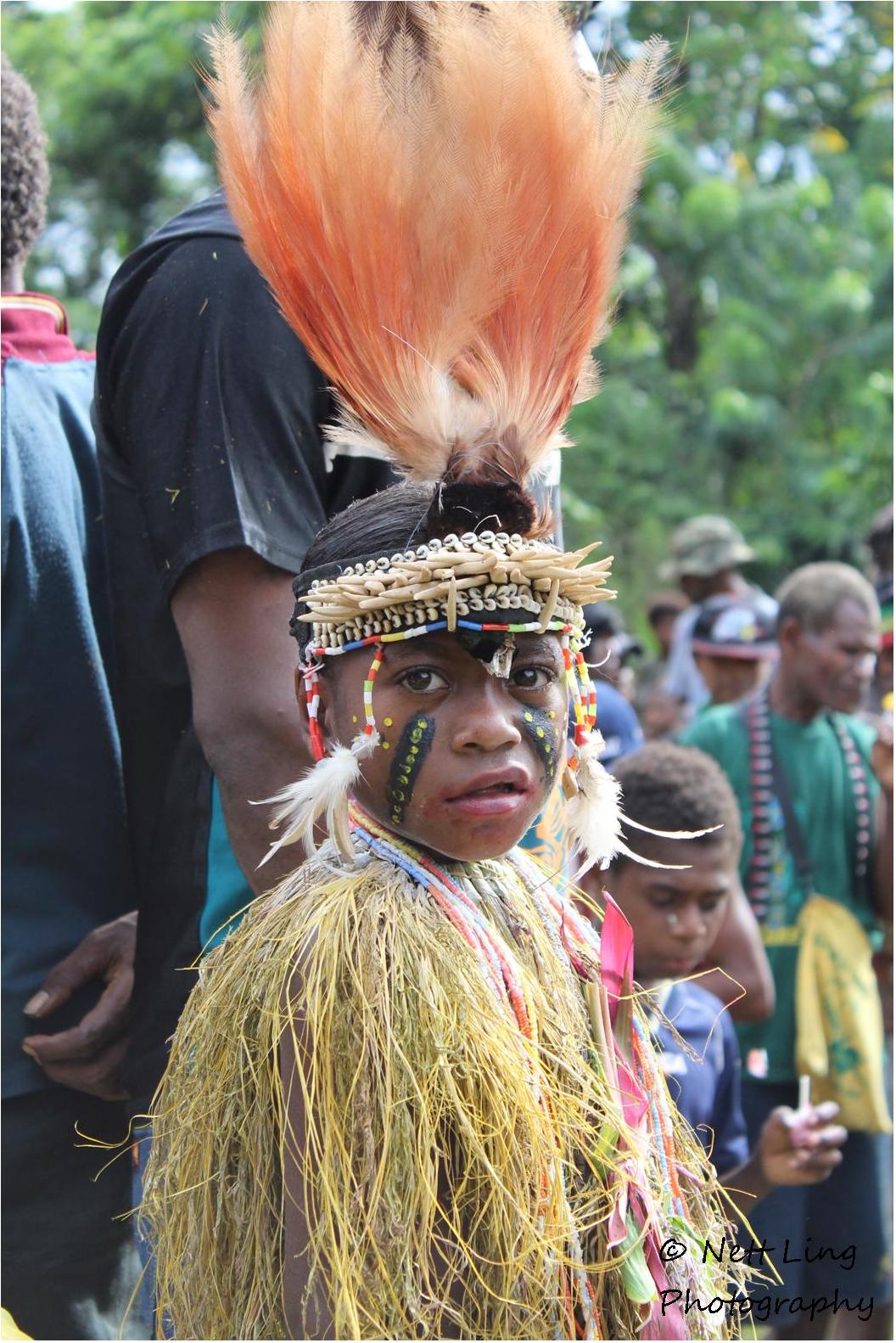
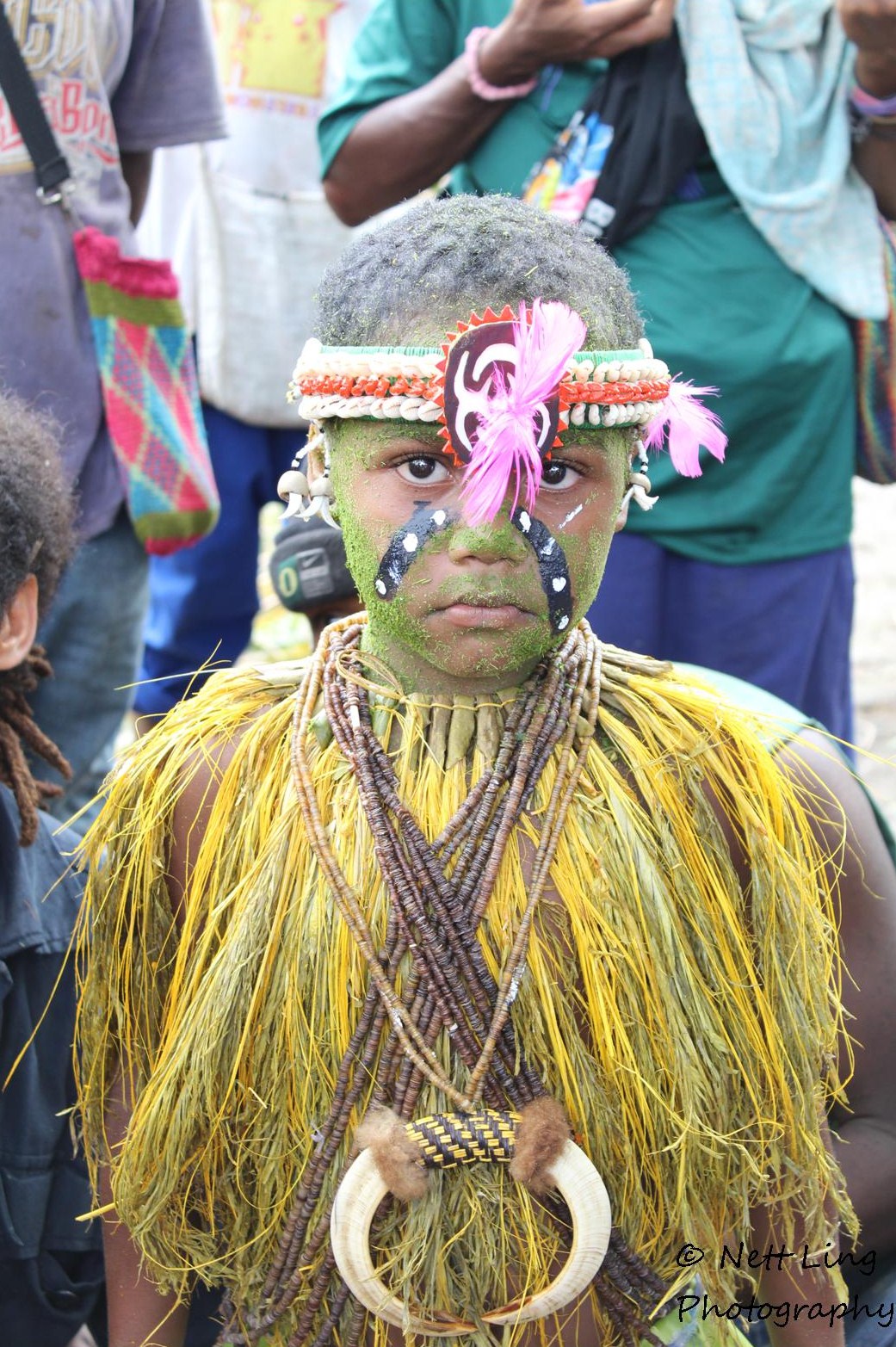
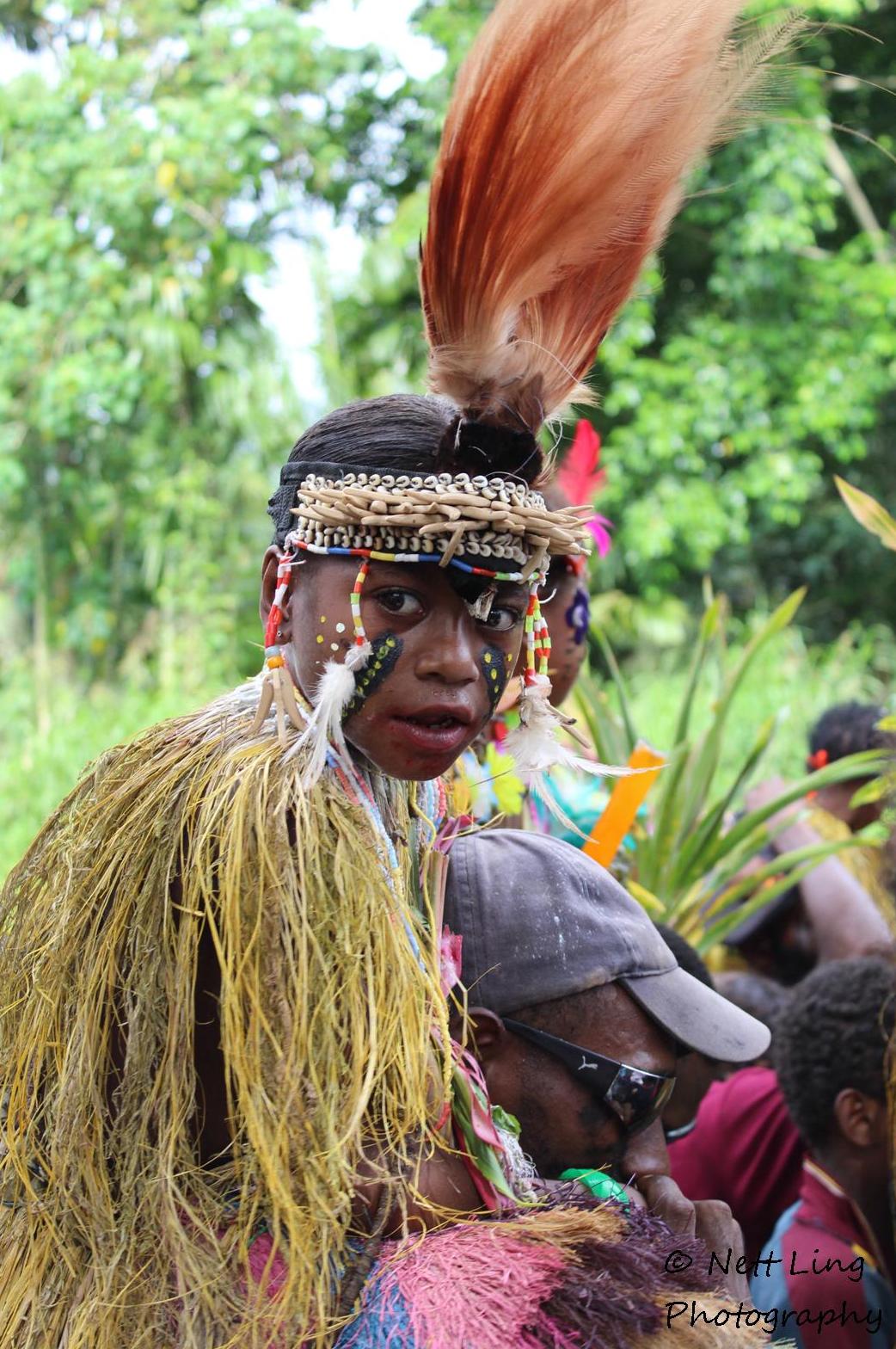
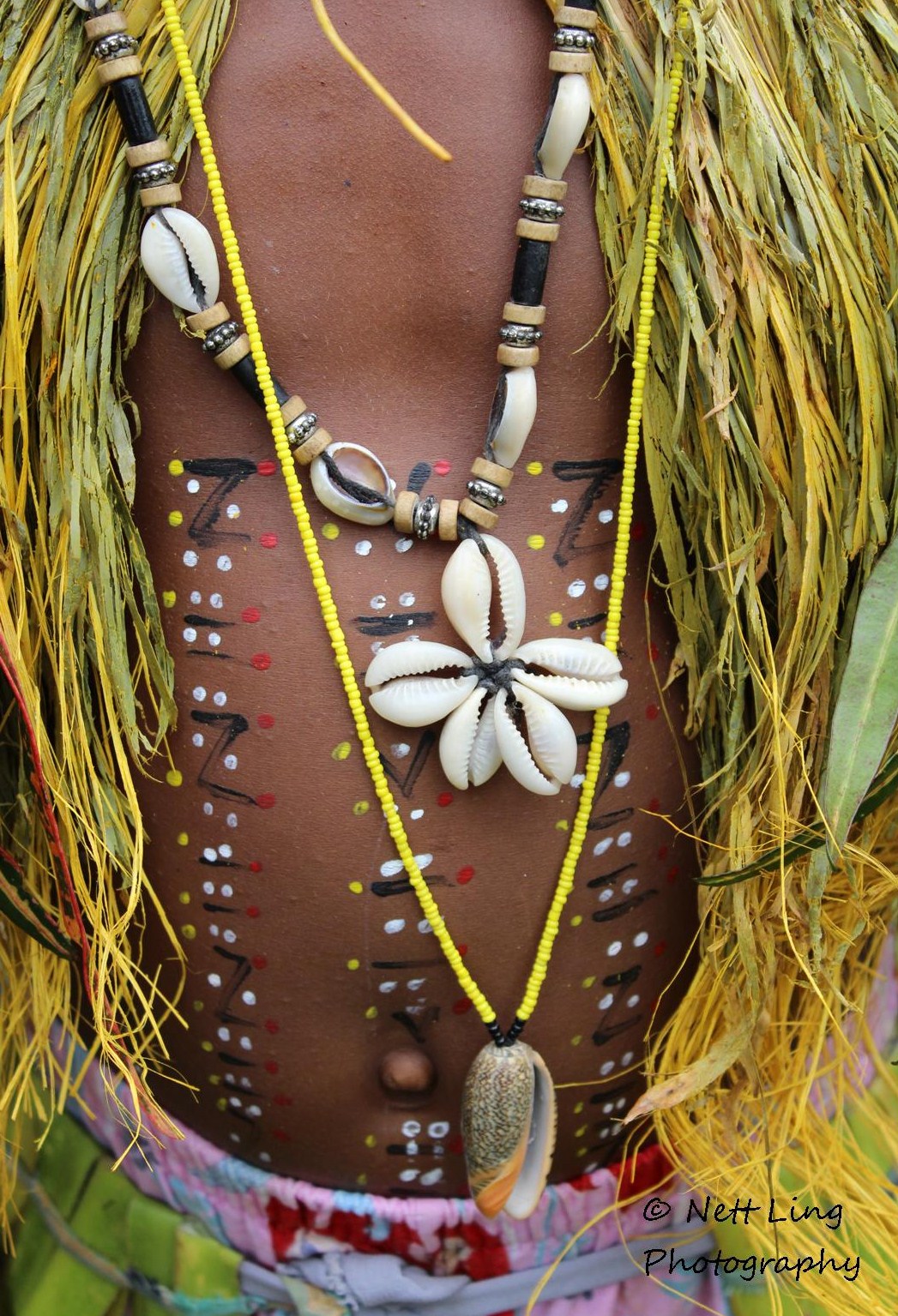
Baining Fire Dancers|W.N.B.P Mask Festival 2013

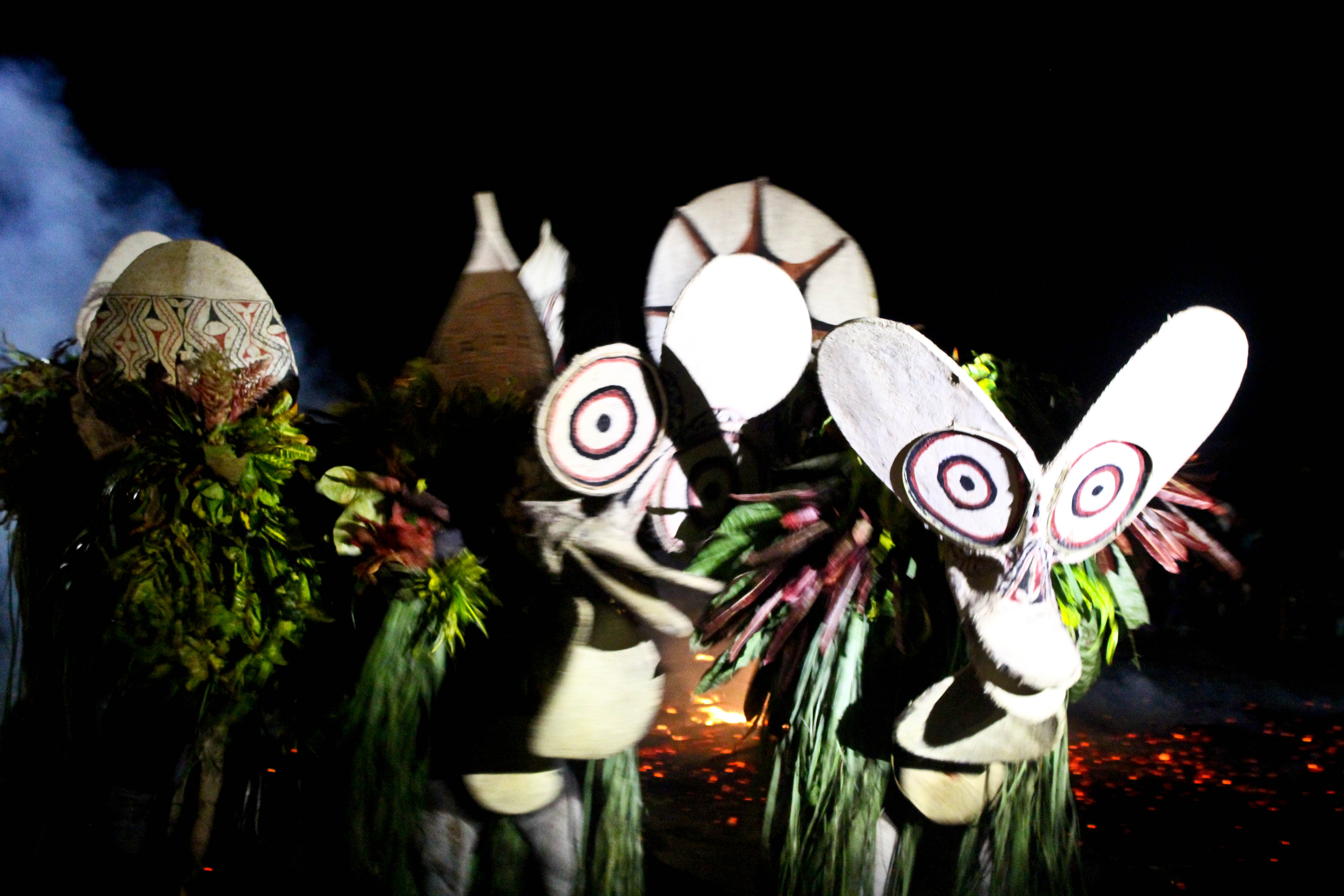
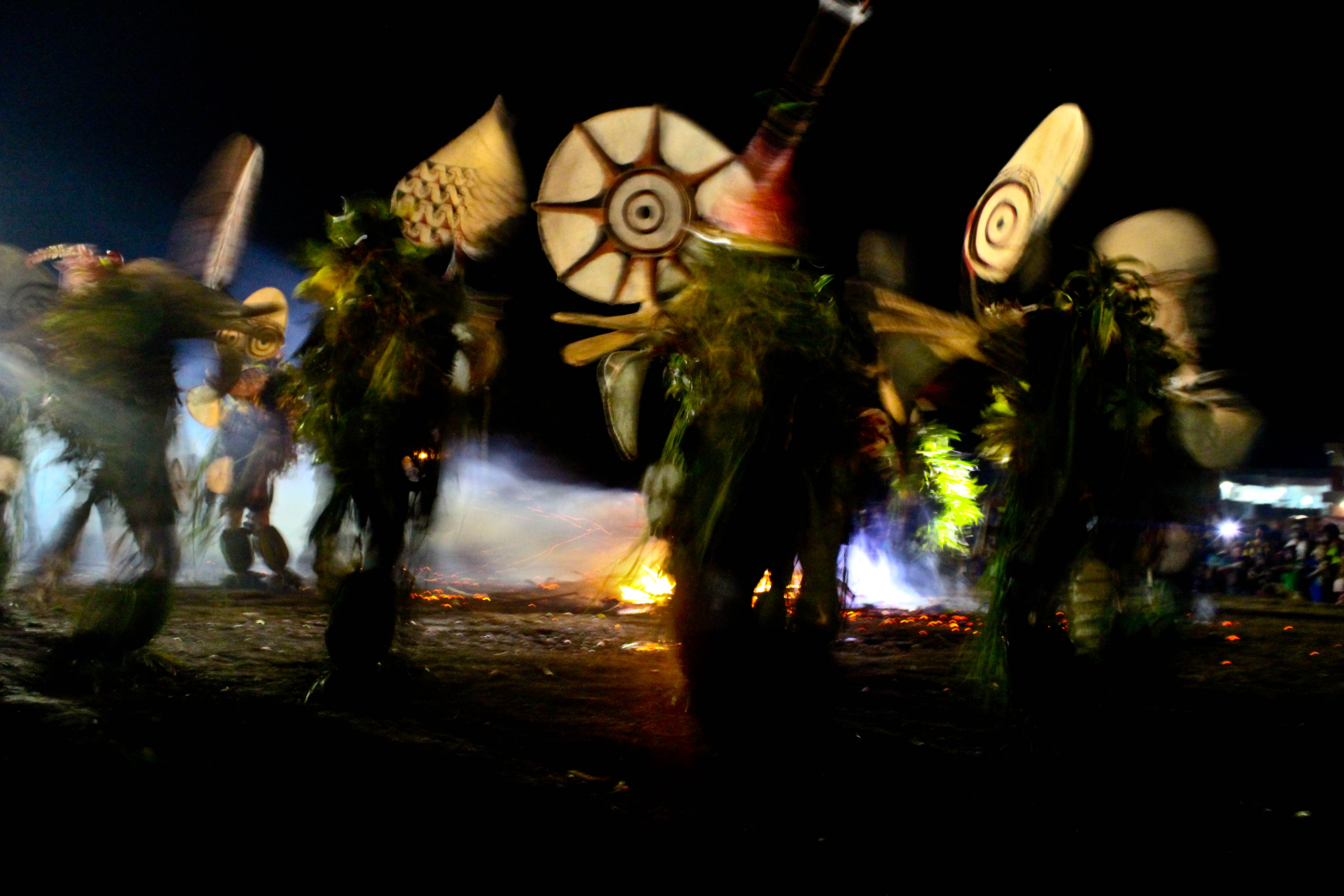
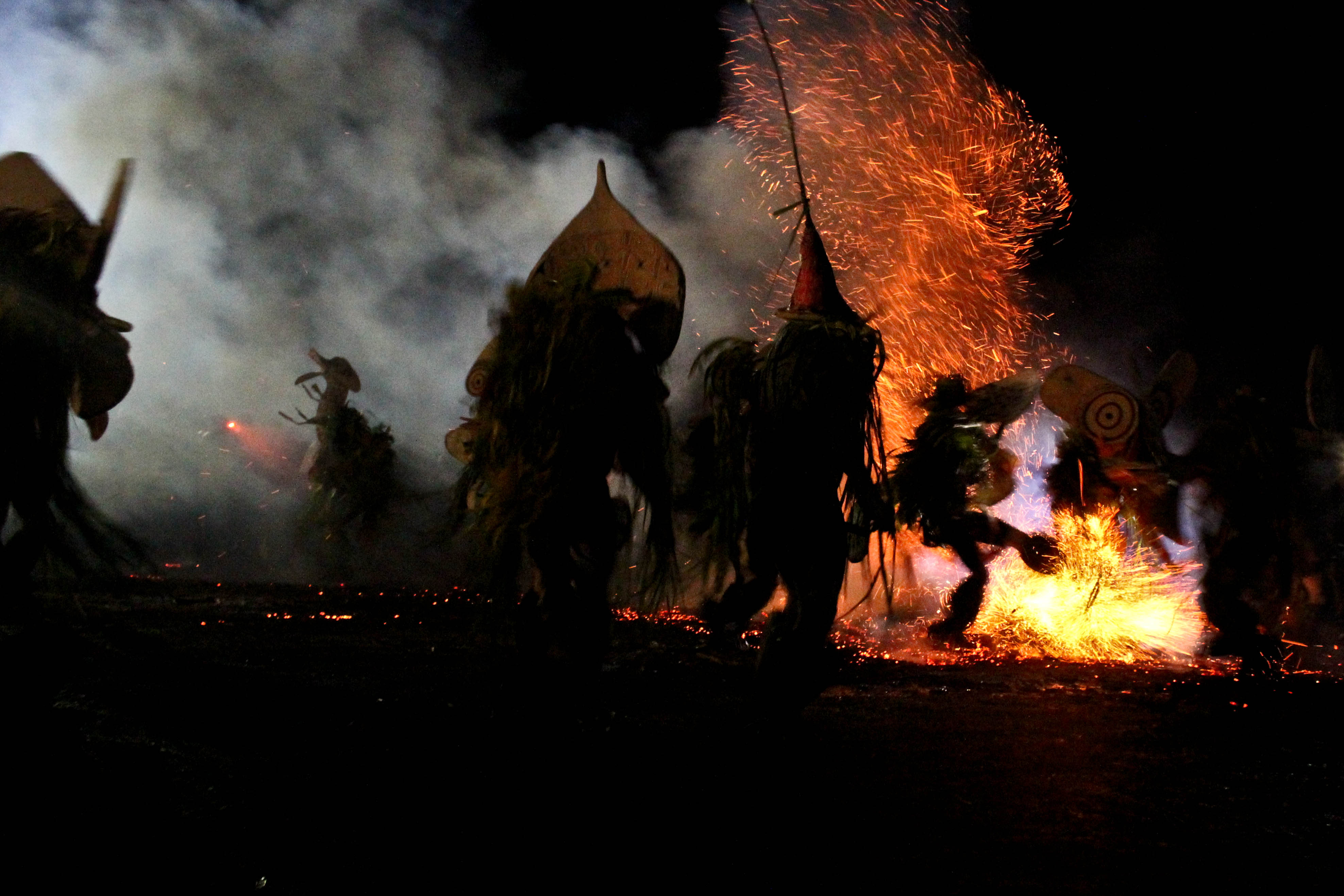
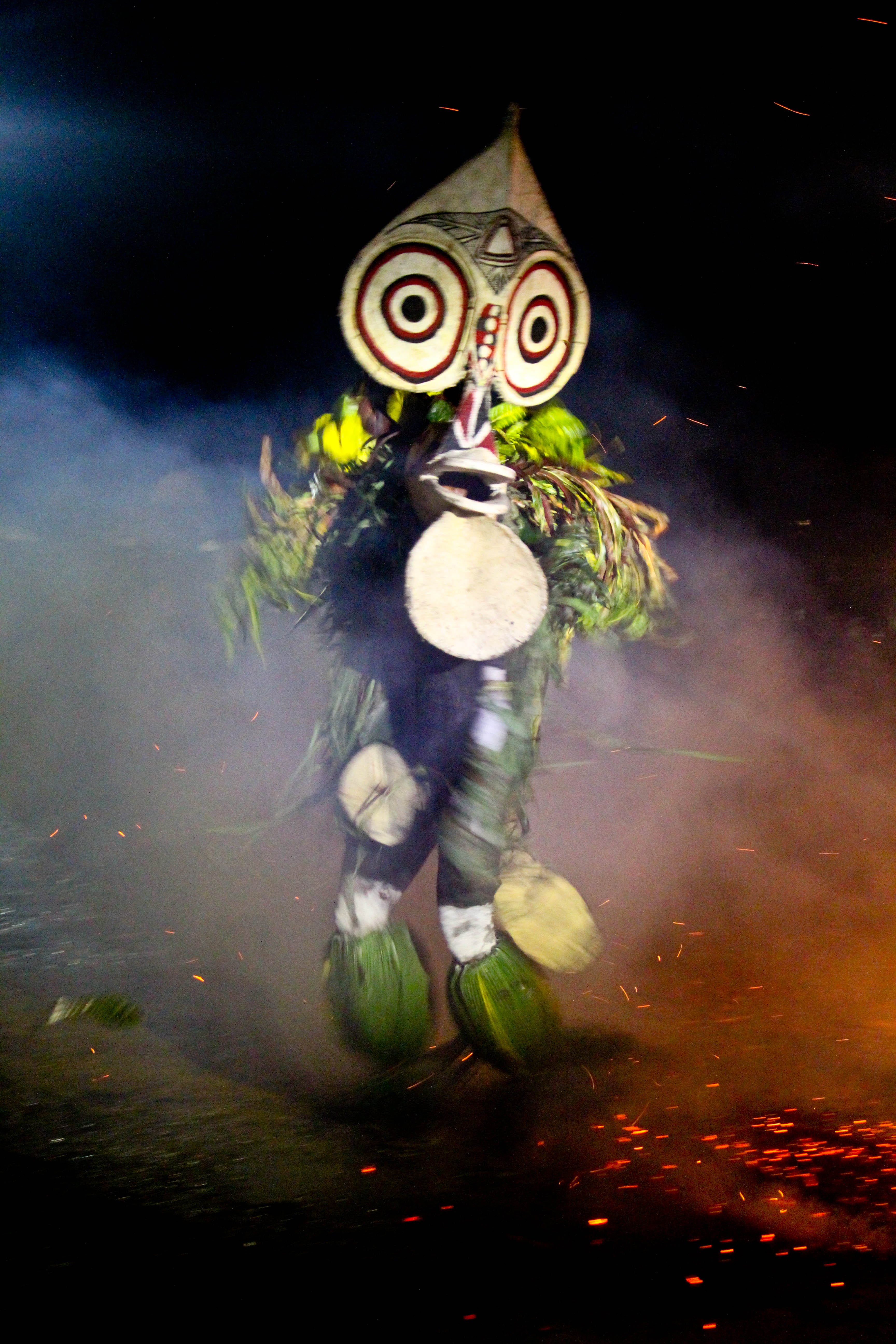
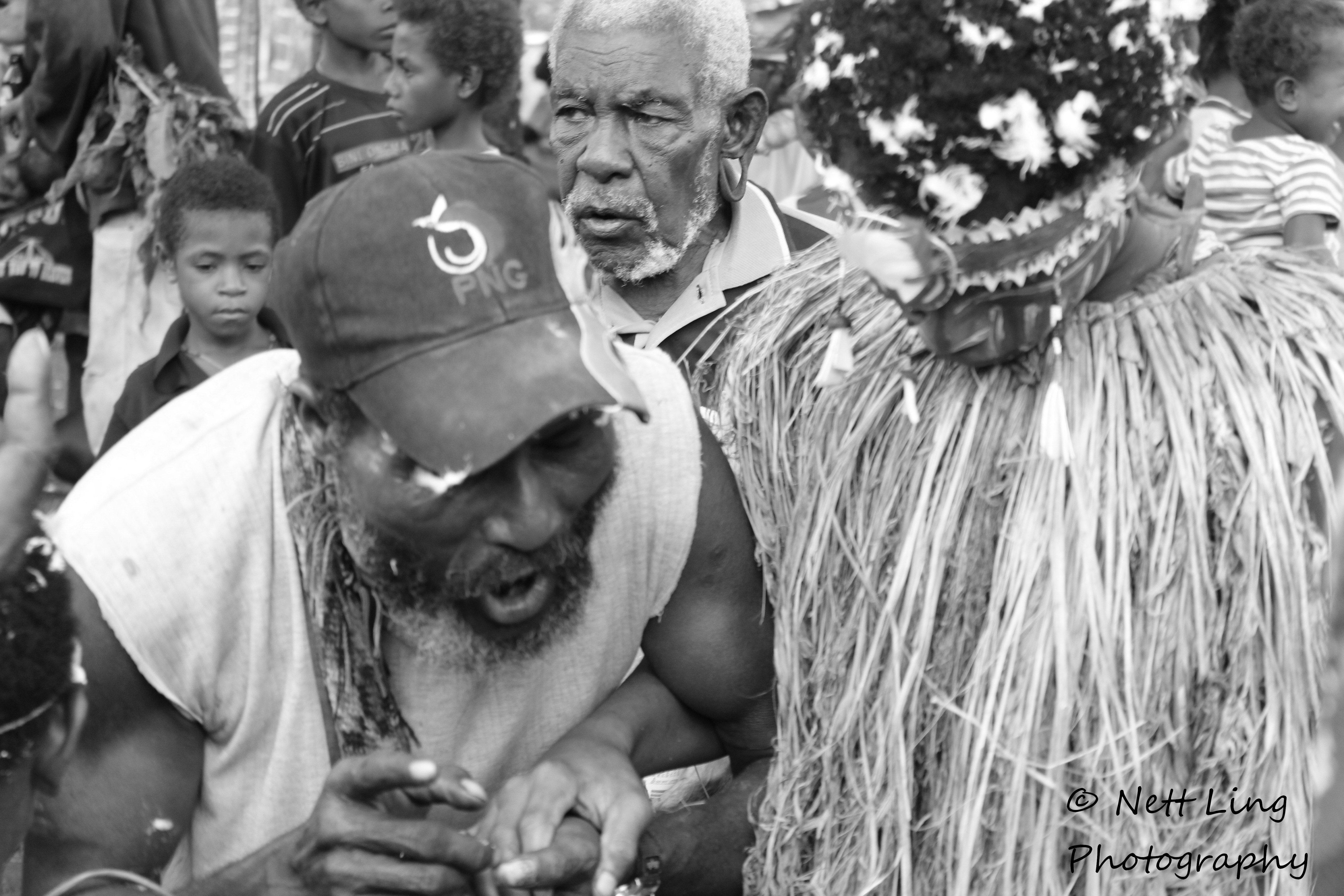
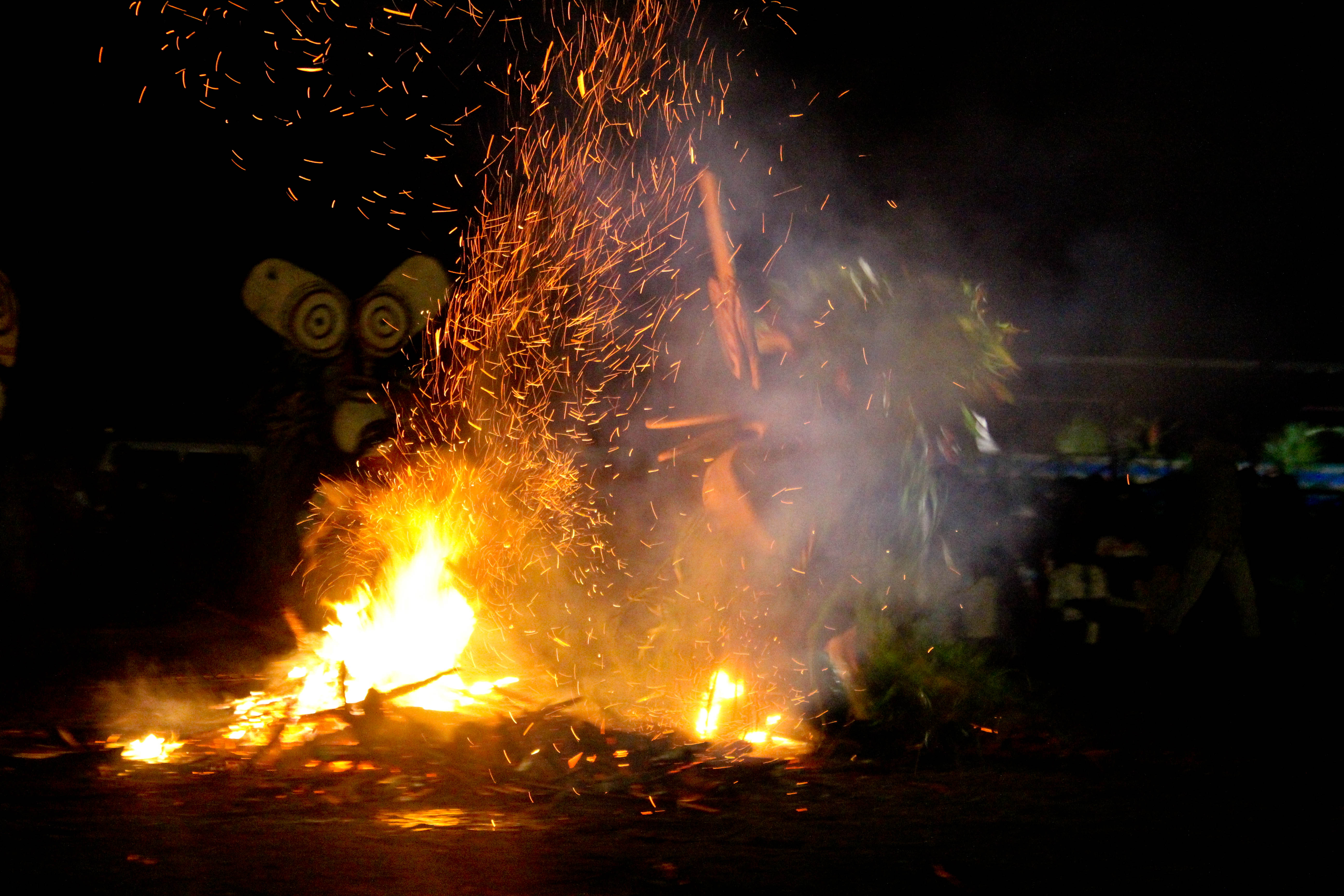
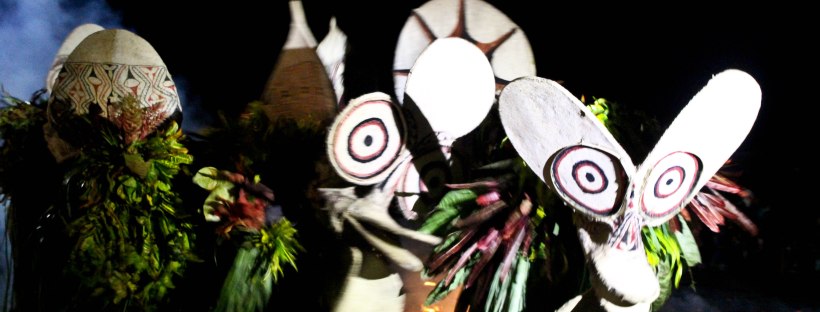
The last time I saw a Fire Dance from the Baining region of East New Britain Province was when I was 8 years old in my home village, Matupit.  I remember feeling the heat of the fire on my face and the cool sensation of tears running down my cheeks, as my eyes watered from starring too long at the giant men in masks, dancing in the flames. It was an extraordinary experience and I couldn’t pass the chance of seeing the Bainings do the Fire Dance once more when they performed at the West New Britain Mask Festival 2013.

I was just mere meters away from the dancers. I could hear the leaves that were wrapped around them go Shhhhhhhh Shhhhhhh as they danced frenziedly in and around the flames of the fire. The crowd would scream anxiously when the fire dancers spent a little too long in the flames kicking the flaming firewood around. At one stage a dancer with what looked like a mask shaped like a dog with its tongue hanging out danced his way right pass me, I could smell the strong smell of a local plant used in many traditional dances, when its leaves are crushed it expels a strong aroma, the Tolai people of East New Britain call it “Karangon” but it is known by many names.

I wondered how the dancers could see thru their masks as they danced their way weaving in and out of the fire just brushing past each other.  The feeling I felt watching was truly mixed with fear, awe and excitement but the one feeling that was overpowering the most was pride. I’m part of a country that is so diverse in Cultural & Traditional practices and I pray that in the future my grandchildren and great grand children will get a chance to see the Baining Fire Dance, just as I and the pass generations have experienced.

The New Britain Mask Festival is one not to miss.

last Dance BFD

BFD 2

GroupBFD 1

Kicking fire

Malagene

Man jumps in fire<

Don’t Cry For Me When I Am Gone

This post is something which i feel strongly about, its something which I just can’t ignore. It might be a bit full on for some but for me and my fellow Papua New Guineans its something which we see or hear about everyday…WE WANT CHANGE!

We are all shocked & sadden by the Sorcery killings and crimes against our Women. These poor women that have fallen victim, I wonder how we became like this, how we finally let our beliefs and the fear that comes with it take control and over power our common sense and respect for all human beings. I wondered how the victims felt before their untimely death. It only brought tears to my eyes and pain to my soul. Let’s bring back the respect for our Mothers, Sisters, Aunties and Bubus…. it could be your family or friend that could fall victim next.

This Post is Dedicated to all the Women in P.N.G.

Don’t cry for me when I am gone…

Don’t cry for me when I’m gone, for when I was here you didn’t try to help me disprove the rumors…

Don’t cry for me when I’m gone, you didn’t comfort me and tell me it would all be ok…

Don’t cry for me when I’m gone, you just like everyone else looked at me with those scared & hatred eyes.

Don’t cry for me when I’m gone you didn’t try to protect me when they chased me down…

Don’t cry for me when I’m gone you heard my screams and saw my tears but didn’t try to stop them….

I see you there in the back among the angry crowd, I didn’t realize how many there were until now…I see your tears through your frightened eyes, I know now, that you too were afraid but not of me…but it’s too late… Don’t cry for me when I am gone…..

STOP SORCERY KILLINGS, STOP VIOLENCE AGAINST WOMEN IN P.N.G!!!!


IMG_5101 IMG_5225

IMG_5131

IMG_5344 IMG_5092 IMG_5106 IMG_5055 IMG_5246

GOD SAVE PNG

GOD SAVE PNG

A day like any other day…….

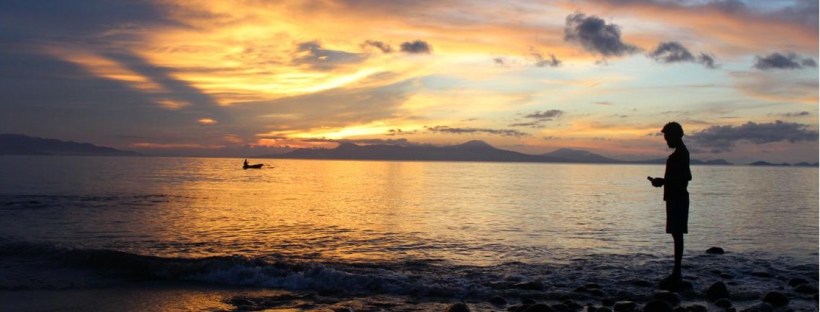
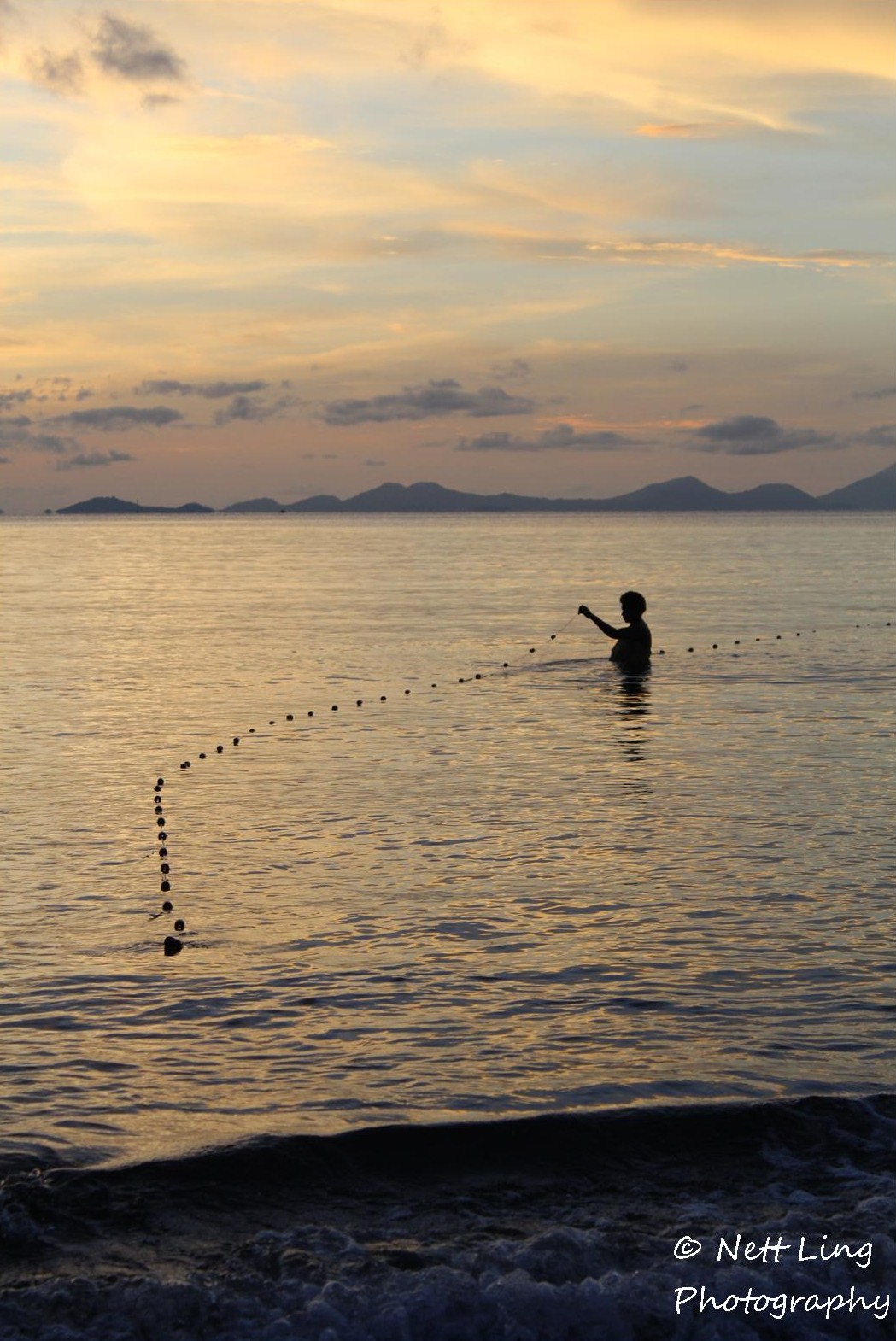
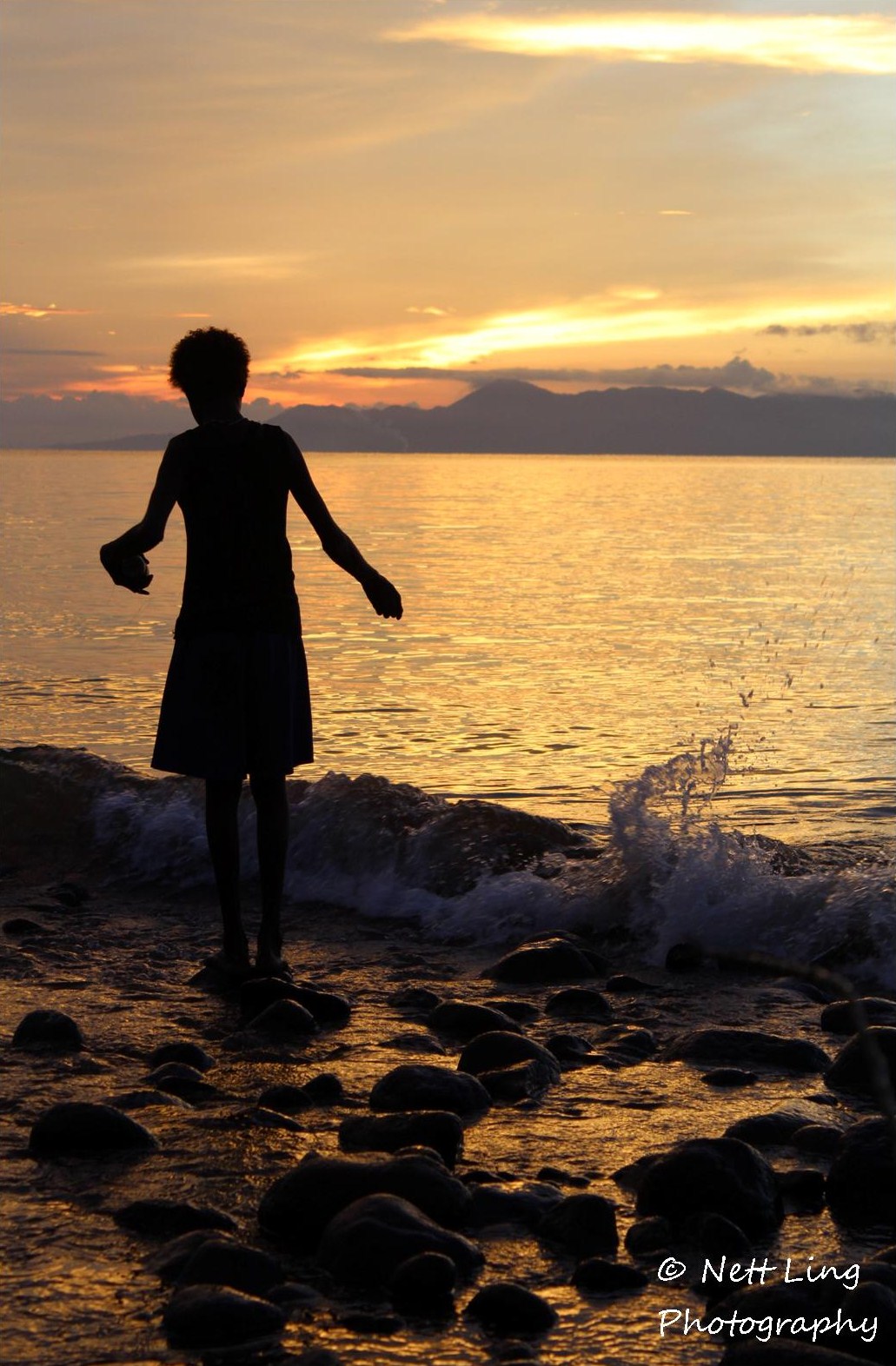
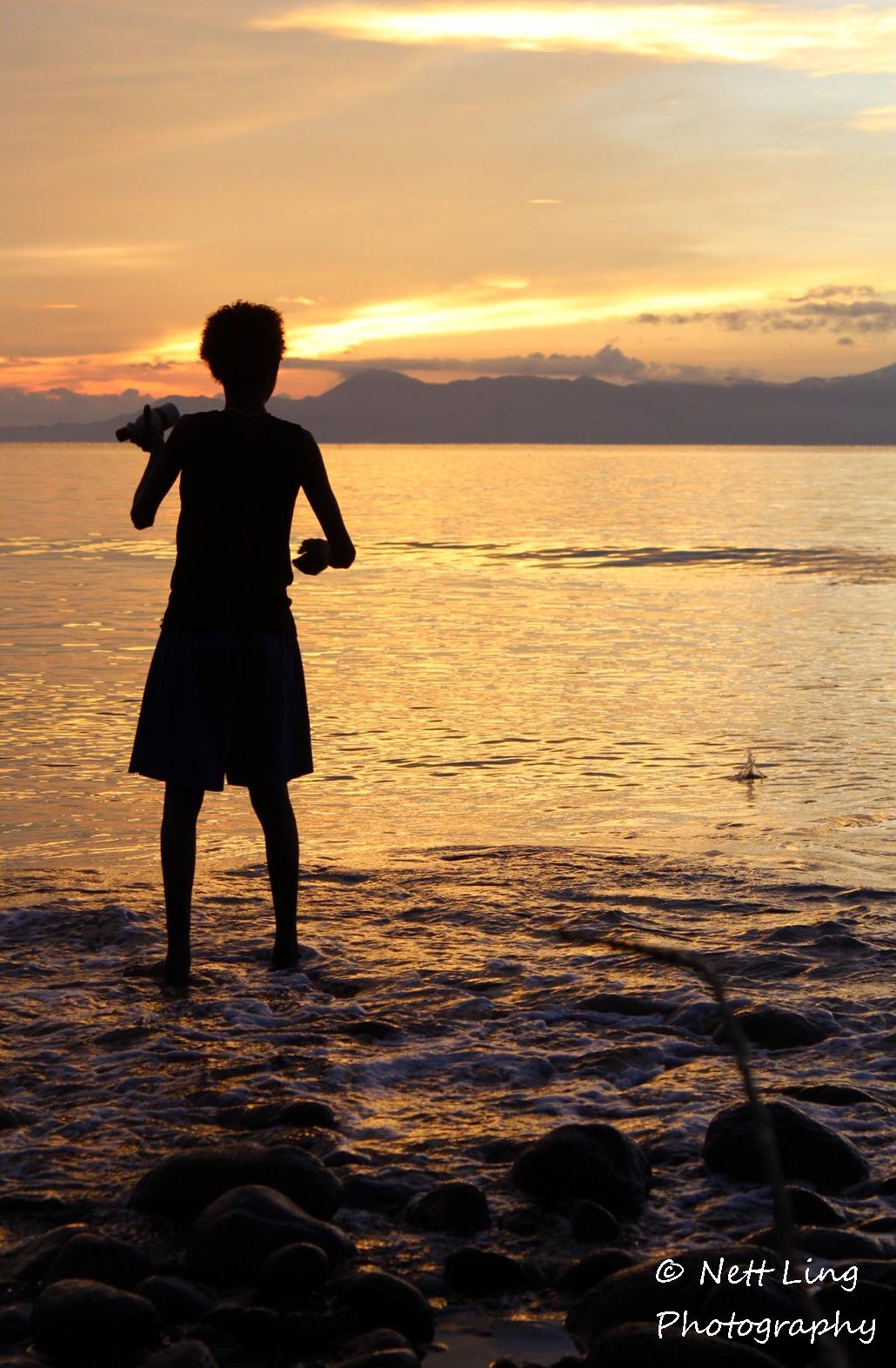
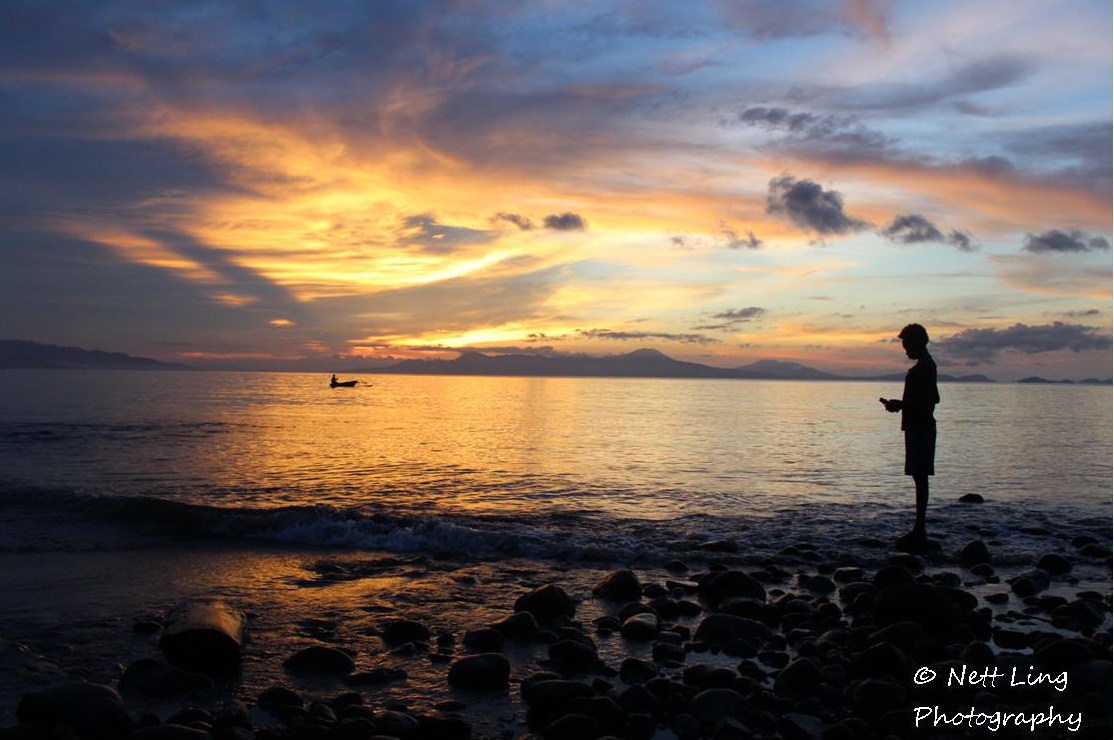
Mother set out the fishing net, hoping for fish for dinner as her daughter tried to balance herself on the slippery rocks, she throws her line into the calm ocean. Her dark coloured skin painted orange but it only lasted as long as the sunset, her eyes lit up with excitement as she tugged on her fishing line, a bite from a fish. Unlucky she was that day but lucky forever for having such a beautiful place to call home. This is normal for her, the sunset her young eyes have witnessed many….it was just another day …like any other day….


women checking net

woman checkingnet

woman setting out net

net

Fishing

Trhowing in line

pulling it in

girl fishing.jpg2 girl & canoe

My New Guinea Experience – Lakotoromola

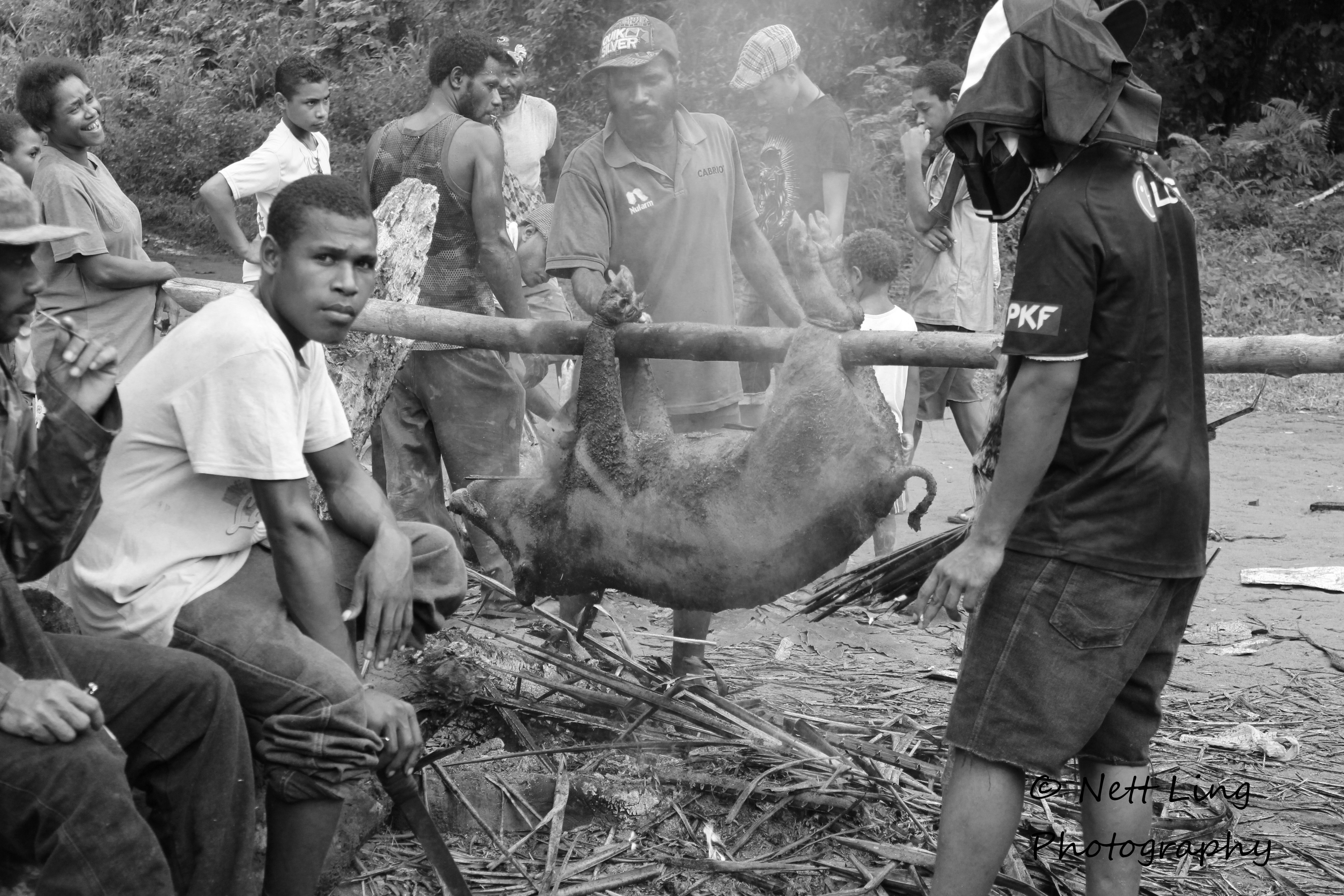
As soon as I hopped out of the car I was greeted with the stench of burning pig hair, a smell I m very much accustomed to and it was all the evidence I needed to know that this was a big Custom Wok (traditional ceremony) I was about to witness. This was my first Lakotoromola.

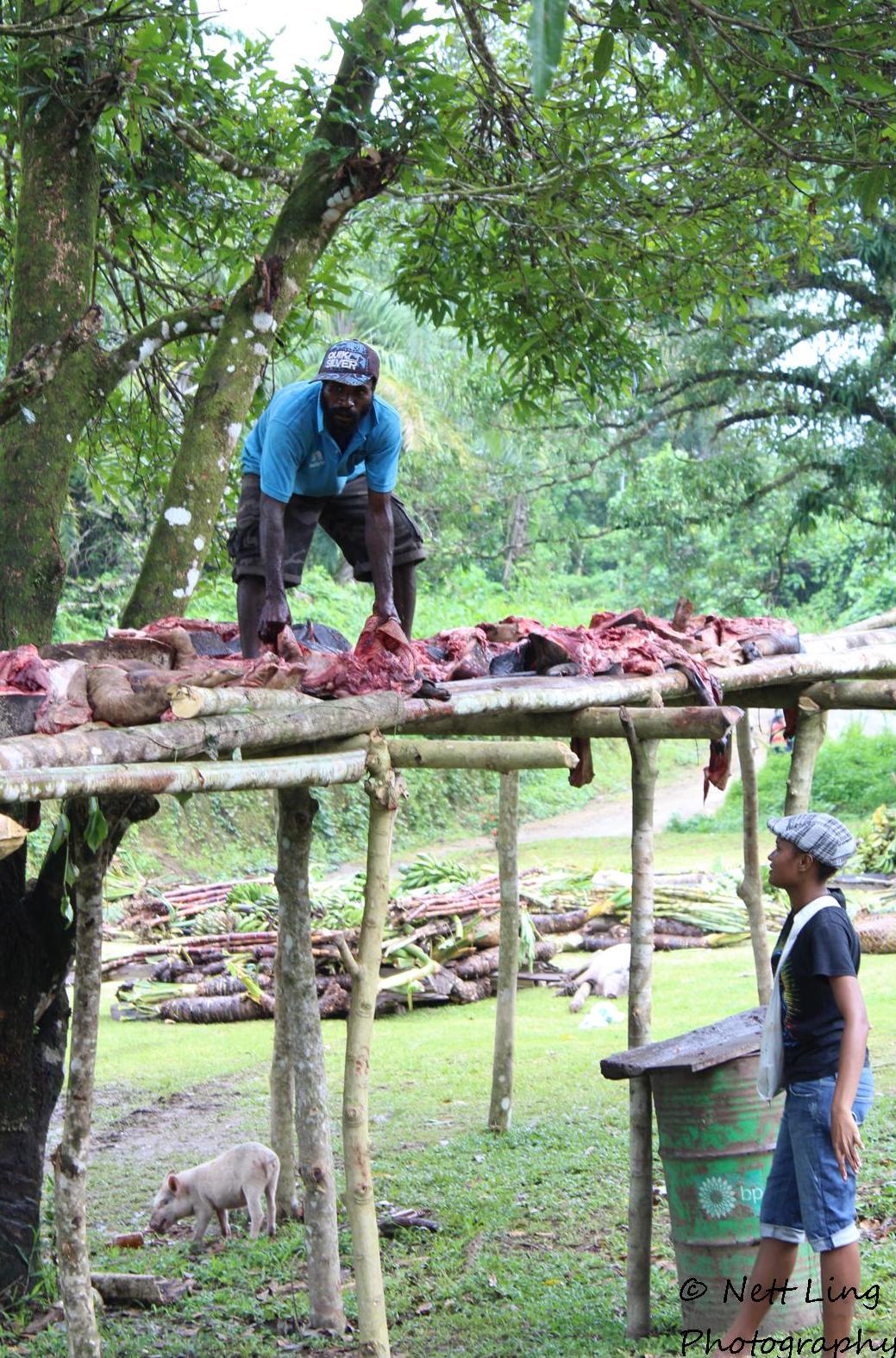
As I followed the crowd I noticed a huge long table which was built about 2-3 meters above the ground, puzzled I looked thru the eye piece of my camera and zoomed in on the table, there neatly scattered on top were many pieces of pork, I lost count after 50, there was a lot of pork up there!

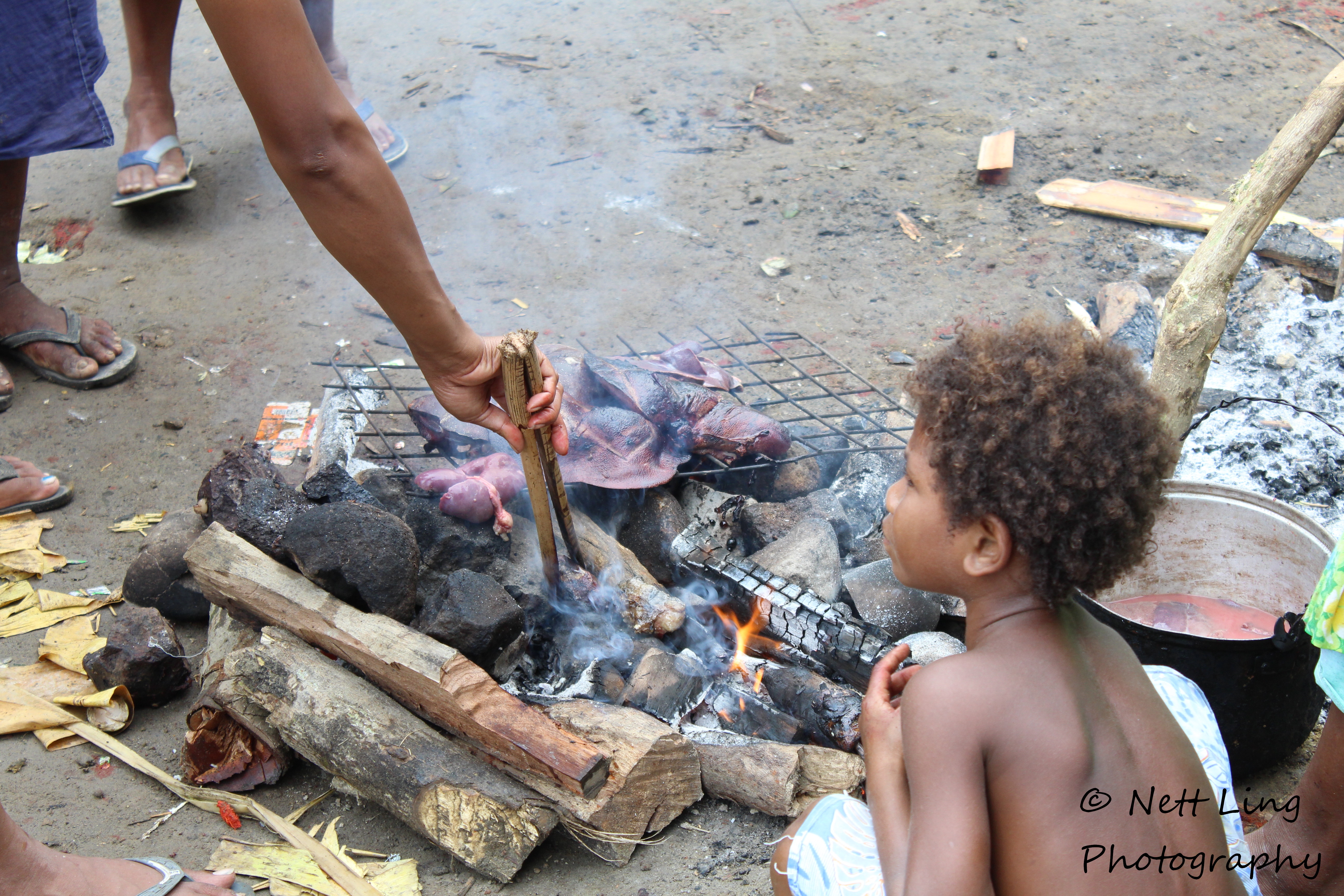
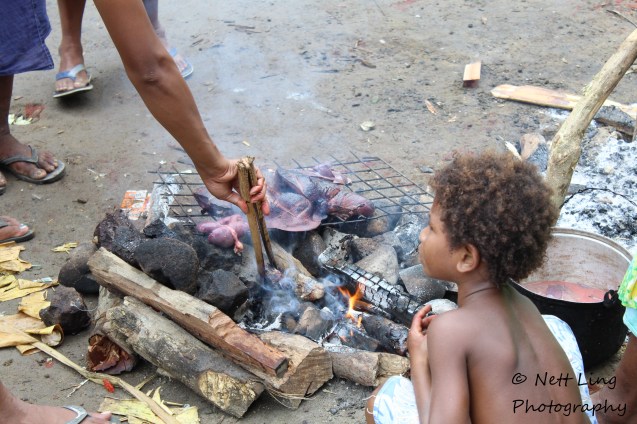
I gently pushed pass the crowd of people protecting my camera as I passed, I walked over to where a group of children gathered playfully shoving each other and squealing “wee la bolo” I recognised the word bolo meaning pig in the Nakanai language and I too became curious to their excitement and quietly approached them, trying to get a glimpse of what was going on. There I discovered the young men and women kneeling down cutting up the pigs. Every now and then the butchers would scold at the young children as one or two of them would try and pinch small pieces of pork for the nearby fire. Something I fondly remember doing once or twice as a child.

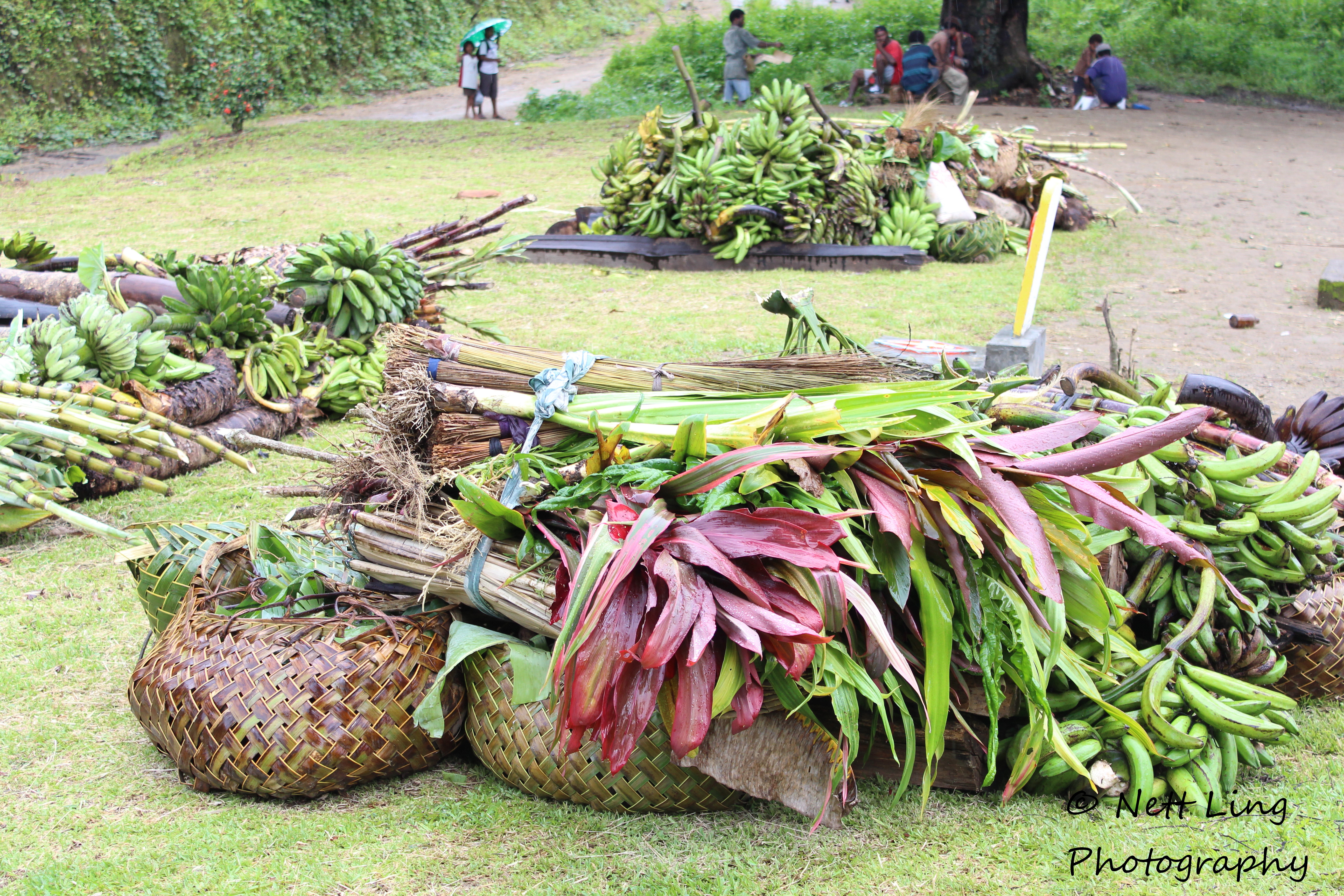
In the middle of the yard were 5 huge piles which consisted of mainly garden food such as paragum (wild taro ) vudu ( bananas) nokos ( oil palm broom) sugar cane , Kaukau (Sweet potatoes) and much more produce which were concealed in baskets woven out of coconut fronds. These piles were called la Lolos.  La Lolos were sort of offerings which the families of those being initiated were putting up and were to be claimed either by another family who has a first born who is yet to be initiated or given to a family as pay back of a pile they have claimed in the past as what they call “bekim dinau” to return the gesture.

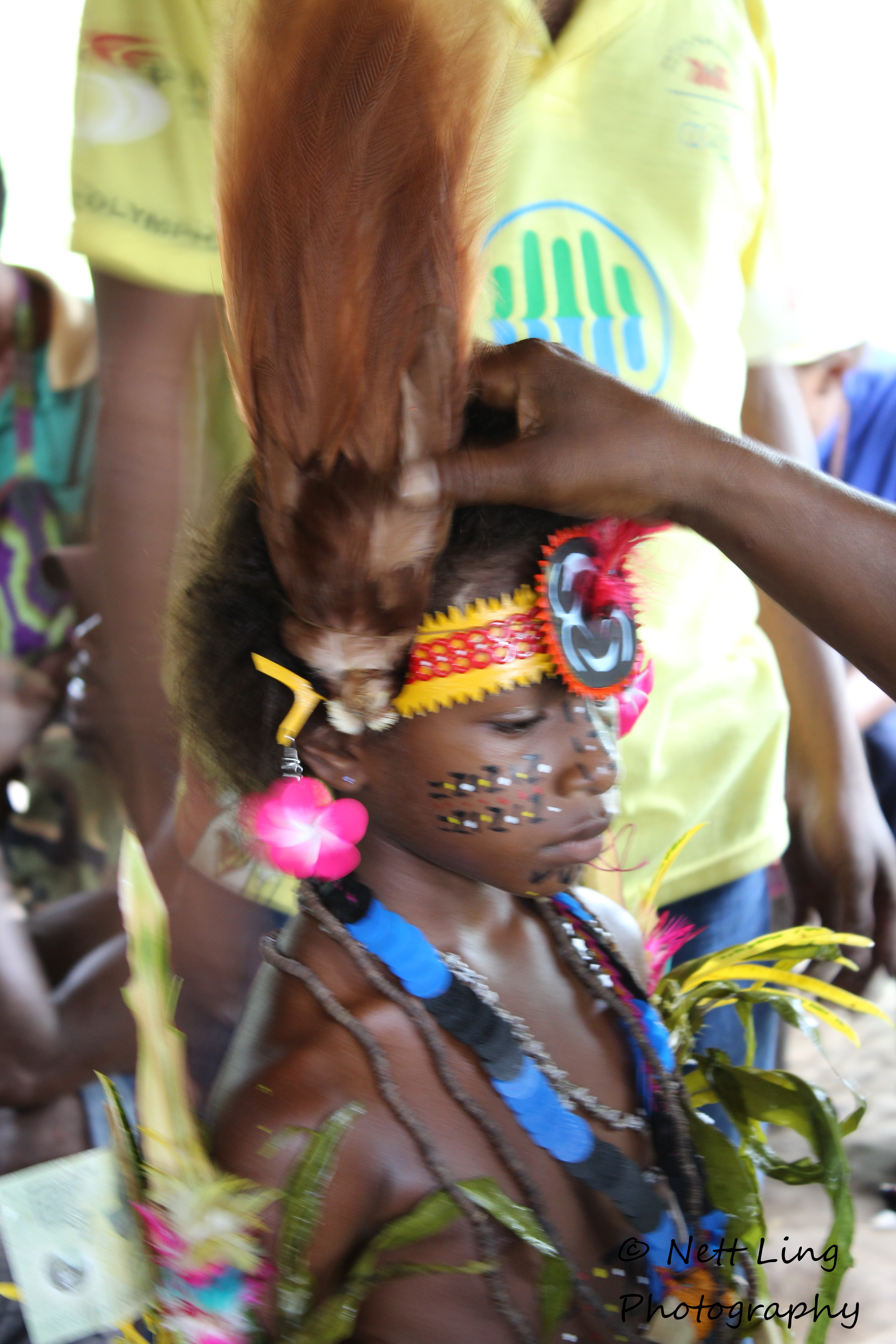
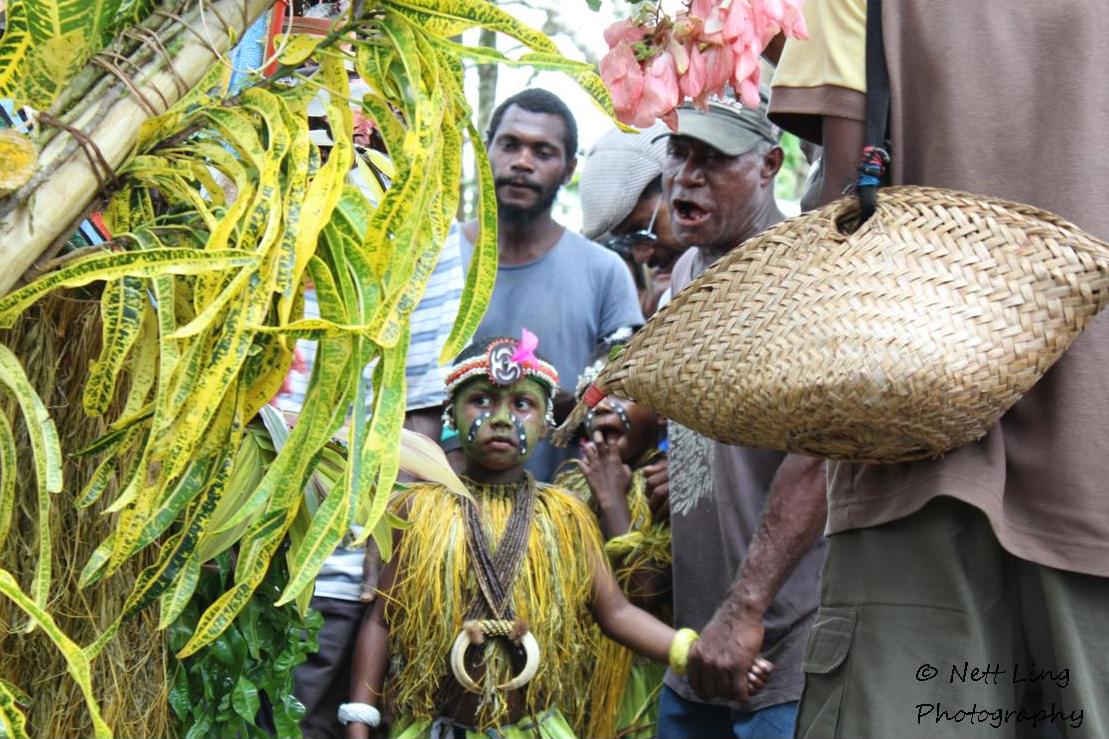
I walked around scanning the crowd looking for the familiar sign of people grouping, there I knew something interesting was taking place. I watched in admiration as mothers dressed their children for the ceremony, day dreaming of when I too one day will be in their place, proudly presenting my daughter or son to the clan to claim their birth rights. Tears swelled up as I watched a grandmother herself teary eyed, place a bird of paradise headdress on her Bubus( grandchild’s) head.

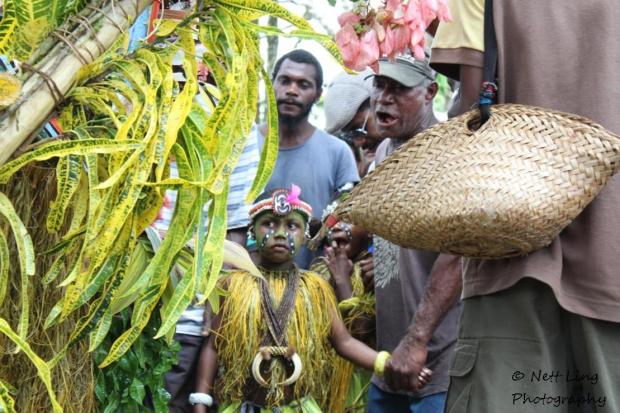
My attention was soon drawn to the beat of the drums and singing of the lapuns (Elderly). There I found them all circling around 3 of the first born to be initiated. They were singing songs I didn’t understand but I knew that it had strong meaning, as I noticed some of the young men who don’t normally show emotion, because it is seen as a sign of weakness, bow their heads in respect.  The singing got louder and louder as everyone joined in and walked with the first born towards the “tumbuan”. One of the first born named Bobby was not only being initiated into the Lakotoromola but also the Tumbuan. Just about every clan in Papua New Guinea has a tumbuan which is a part of the secret male society. Bobby is now seen as a member of that, he can take part in other tradition ceremony’s involving the tumbuan which in the Nakanai Custom happens during the Galip (Edible Nut native to PNG) Season.

As we approached the tumbuan I could feel the importance of the whole ceremony. An old man grabbed hold of my arm and lead me to a bench made out of bamboo “kalap go antap”  get up he told me “ lukim na kisim piksa blo dispel, u nonap lukim wanpla bigpla custom olsem ken”  witness and take photos of this because you will not see another custom as big as this again. I didn’t hesitate all thoughts about the stability of the bamboo bench which looked like it had seen much better days was erased from my mind, everyone’s so drawn in by the singing, I doubt if I fell they would notice anyway i thought to myself.

Bobby was lead up to the tumbuan and placed inside. The men lifted it of the ground as the crowd cheered and sang even louder. The women hurled clothes, lollies and coins in to the air. I didn’t dare lift my camera for a shot, vividly imagining the coins as pieces of shrapnel flying towards my lense as children scurried down near my feet looking for lollies. I followed behind the crowd as they sang, laughed and cheered.  I was passed a 500ml plastic coke bottle, “diring” Drink, I didn’t hesitate taking 2 gulps before the sensation hit me….Woahh that was some strong “matuka” home brew.

The crowd finally made its way towards the La Lolos and the first born’s were placed on their rightful piles. There they stood in the afternoon sun awaiting an elder named Maki to confirm who would claim their Lalolos, while the women threw their endless supplies of shrapnel, lollies and clothes in to the interested crowd. At one stage a bra landed on an old man who all of a sudden must have got a burst of energy and flung it frantically back, as the crowd roared with laughter.

As I stood back and observed the firstborns I wondered if the older ones understood the true meaning of the Lakotoromola.  Which back in the time of the Tumbunas (ancestors) it was only done when a girl came of age and when a boy was considered a man, there was probably a reason for that, maybe they knew that they were old enough to remember and pass on the custom to the next generation.  As of that day those first born’s initiated can cut their hair and bilas (dress up) as they like, they are allowed to travel to distant places and take part in the garamut and traditional singsing groups , if they were to do so before the Lakotoromola a pig would have been killed and a feast put on for the village.

I wondered how much Traditions and customs have changed since the time of the tumbuna and at that moment I realised and feared even more how much it will change in the future. I hope that these young ones remember and continue this Custom, as one day they will have to pass it on to  their children and grand children.
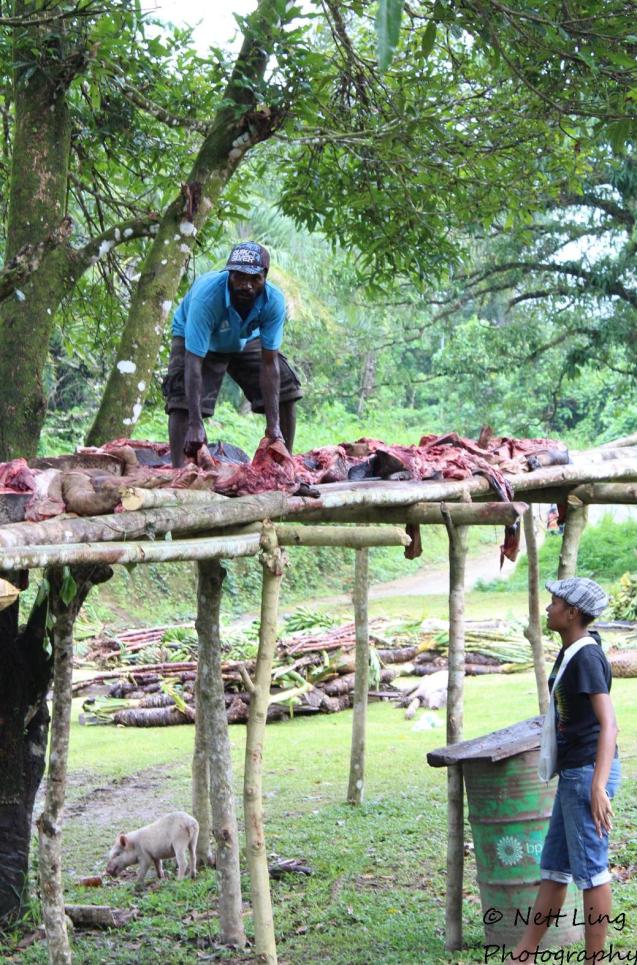
Table1

Table up high to keep animals and people away from the pig

IMG_1178 2

Young men burning the hairs off the pigs

IMG_1188 3

Children watching the pigs being butchered
IMG_1259

This little one cooking a piece of pork on the fire

IMG_1196

The piles of lalolos

IMG_1303

Last and final touches

IMG_1330

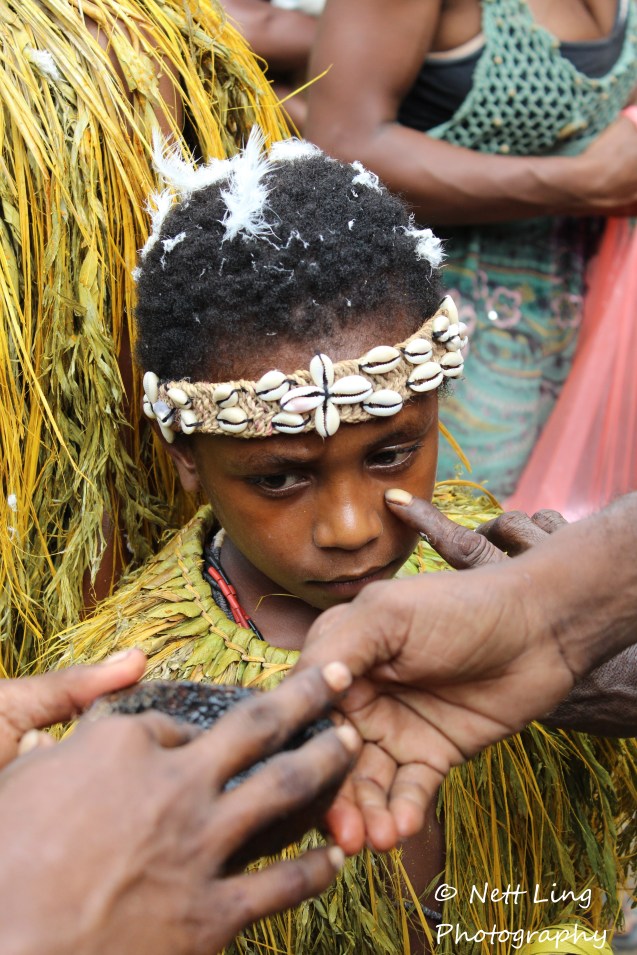
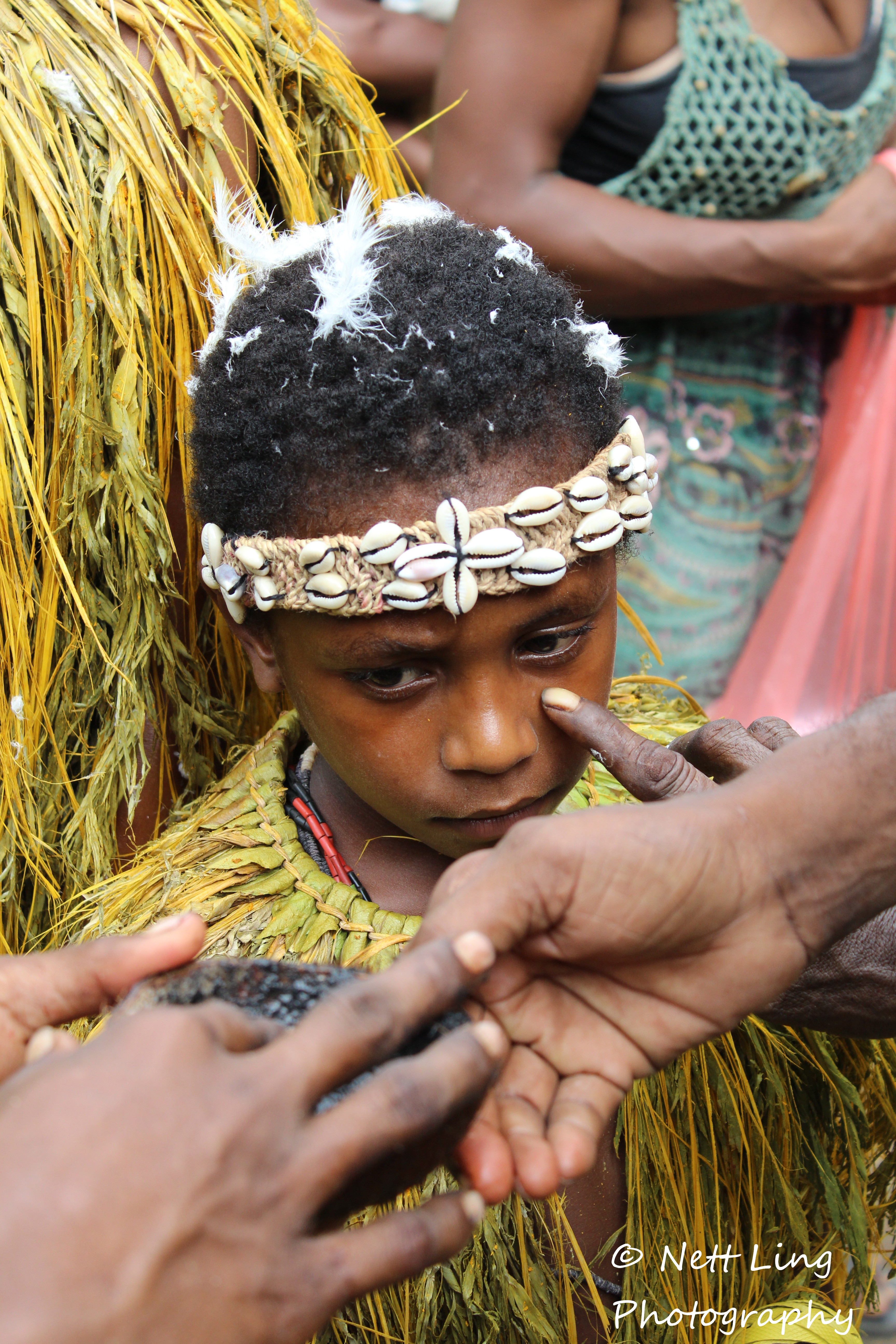
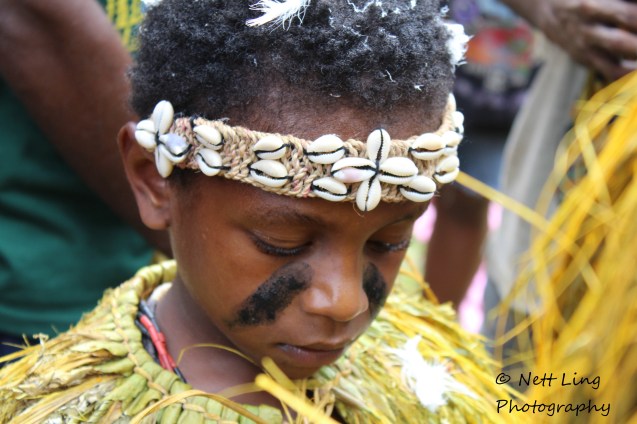
Painting boys face with black traditional paint made out of crushed charcoal
IMG_1333

IMG_1404 7

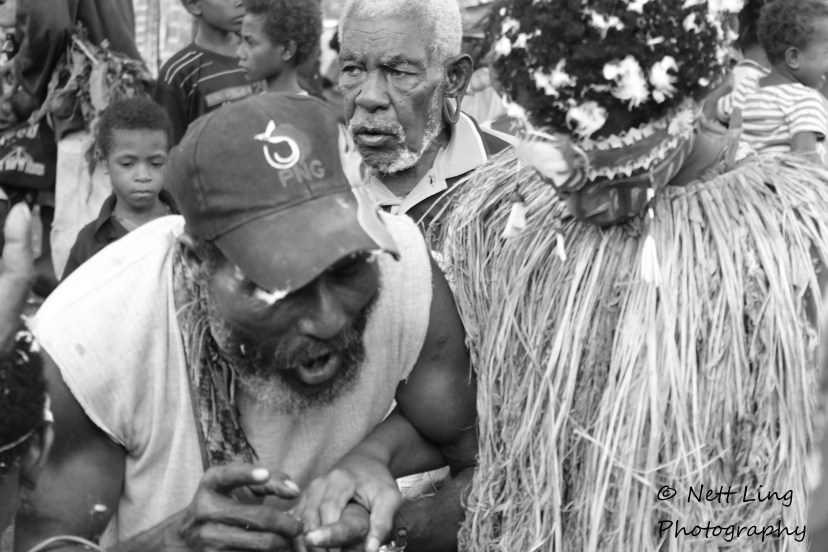
The lapuns singing with the firstborns
Bobby ready to be placed inside the Tumbuan

Bobby ready to be placed inside the Tumbuan

tumbuan

13

Claiming their Lalolos

throwing gifts in celebration ! 12
throwing gifts in celebration

Lakotoromola

A Latokoromola is a traditional ceremony done by the Nakanai People of West New Britain. This ceremony is a celebration of the first born child. The Latokoromota enables the first born child to take part in the “garamut” and traditional sing sing group. This first born child is now allowed to cut his/her hair, can travel to faraway places, the young girls are now allowed to finally bilas(dress up), have tattoos and piercings and style their hair whichever way they please. If the first born was to do so before the Latokoromola than a pig would have to be killed and a feast put on for the village.

old woman f boy Little bilas meri

Preparing the first borns

2

bobby 2

baby 12

3

5

black & white

bilas 1

singsing

bilas 2

bilas boy

Mama Baharu & Mama Maus

Kwalakesi Village, W.N.B.P
Kurkuru (native dove) Clan

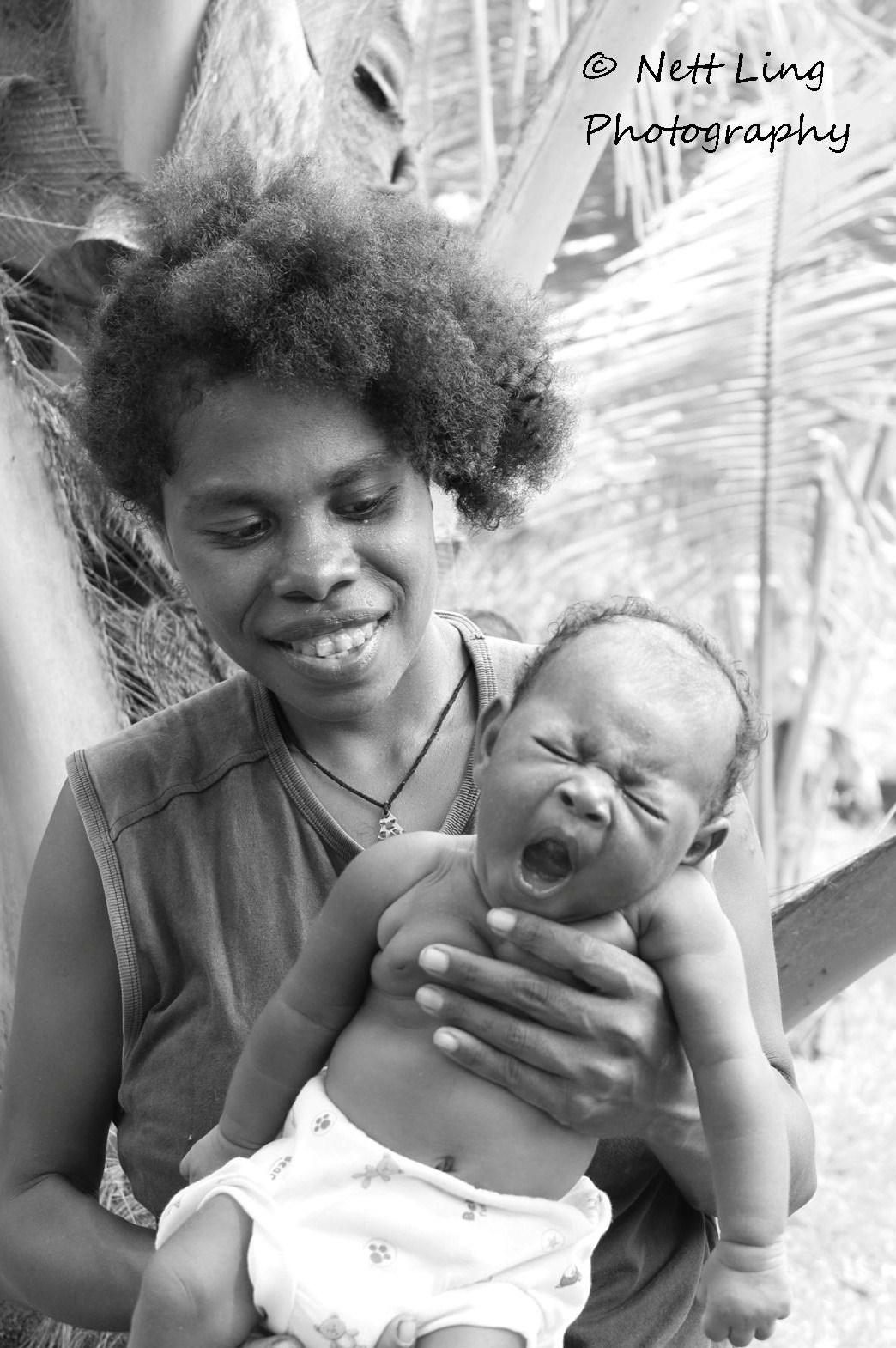
In every village in PNG there are women like sisters Baharu & Maus . These women possess a special Skill which has been passed down from generation to generation. This skill has been perfected to secure the continuality of the clan, their bloodline, along with their culture, tradition and language, by safely delivering into the world their next generation.

Fondly nicknamed Mama Baharu, meaning “widow” Baharu has delivered many babies including whole families from mother to children to grand children with the help of her younger sister Maus.

Together they follow a special ritual which was taught to them by their mother, a little song they quietly sing to the baby to coax her out and insure a safe delivery.

“Bureki mapatili, e baby mapatili” she sings while gently pressing the expectant mother’s belly. “Baby turn your head upside down like a (sleeping) flying fox”

“Ekibelube lamatala baby, lube” Baby come first release the rope (umbilical cord) and come first.

While tenderly patting the pregnant woman’s back she sings the last verse “Ekoko Saraka baby,Saraka” “be like a slippery eel and slide baby”

This is the same song that was sung to both sisters as babies waiting to be born into this world. A song sung long ago by their tumbunas (ancestors) that will continue to be taught and sung to the next generations.

Sister Baharu & Maus

Sister Baharu & Maus


Mama Baharu

Mama Baharu


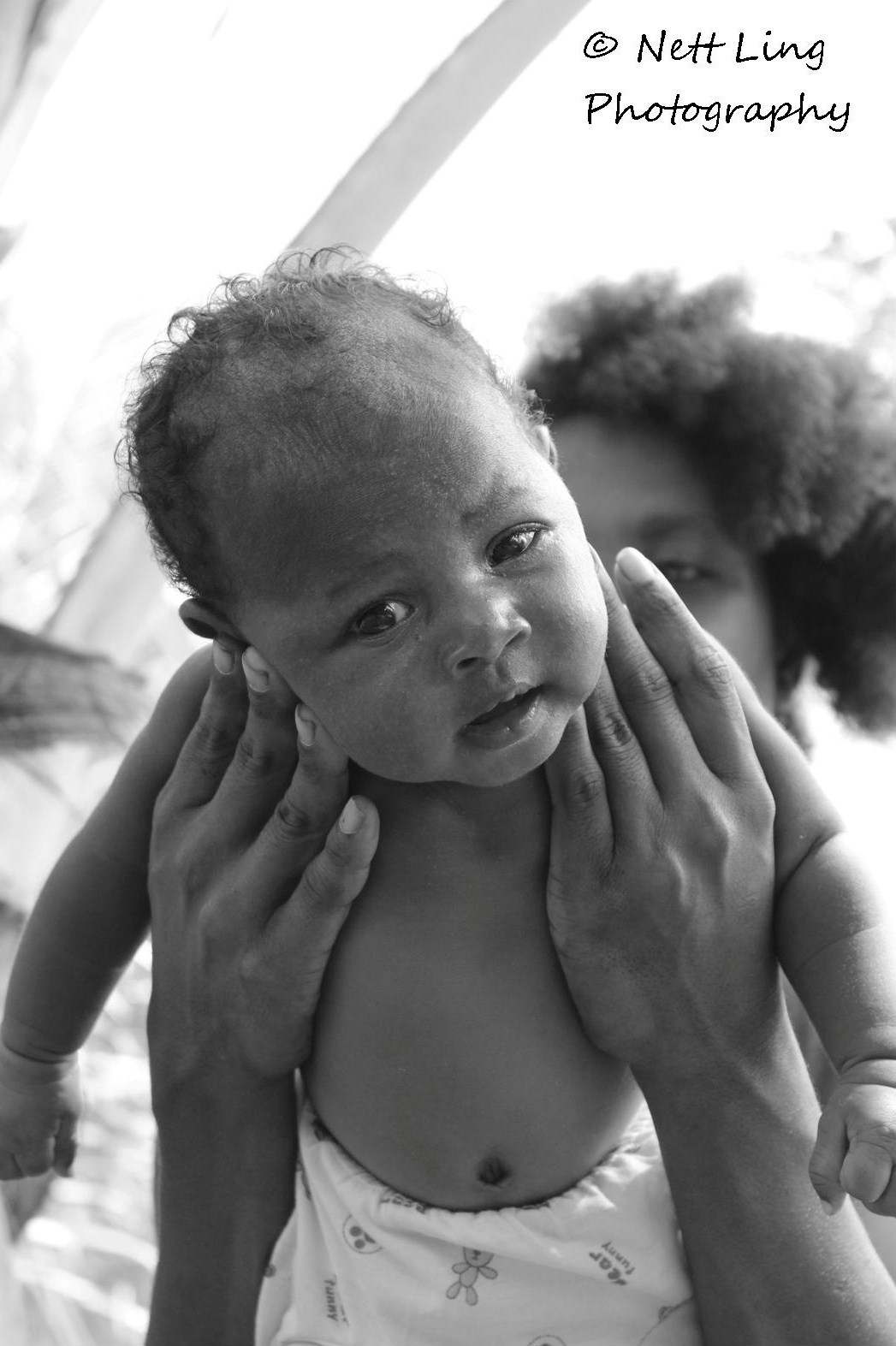
Some of the Children they have delivered

Some of the Children they have delivered


Mama Baharu Scraping Bau( Cassava/Tapioka)

Mama Baharu Scraping Bau( Cassava/Tapioka)


mama Baharu - 2
MEri Buka

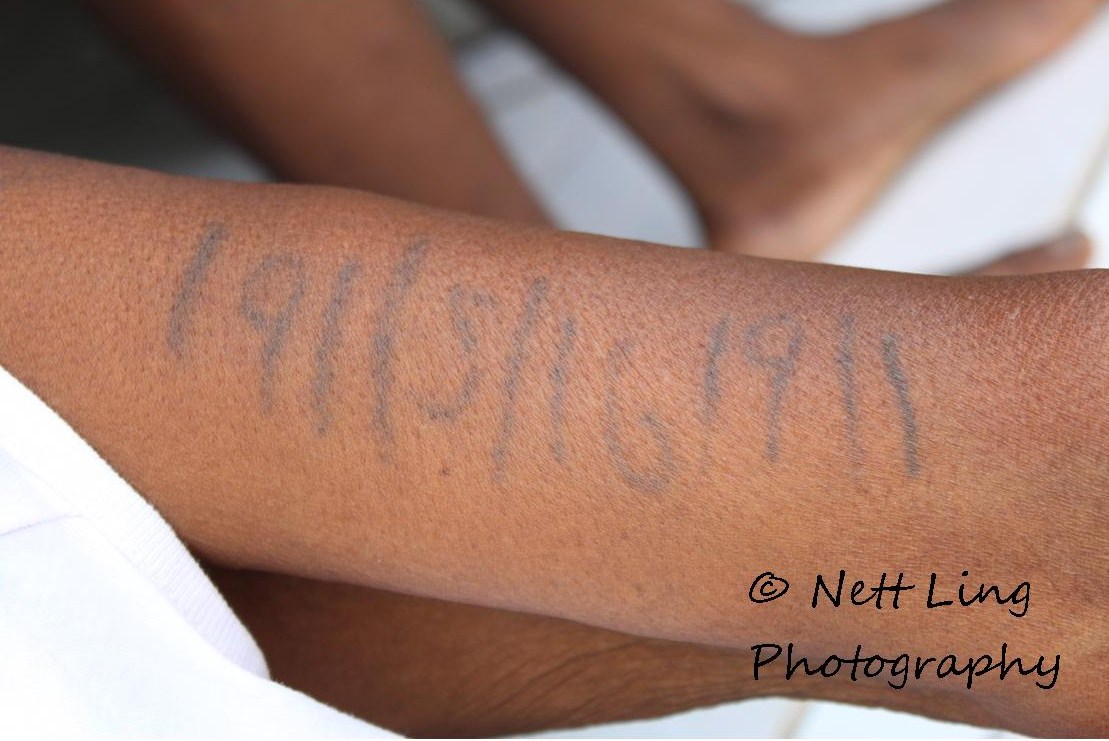
Sophia Isu 19/15/16/9/1 – 9/19/22

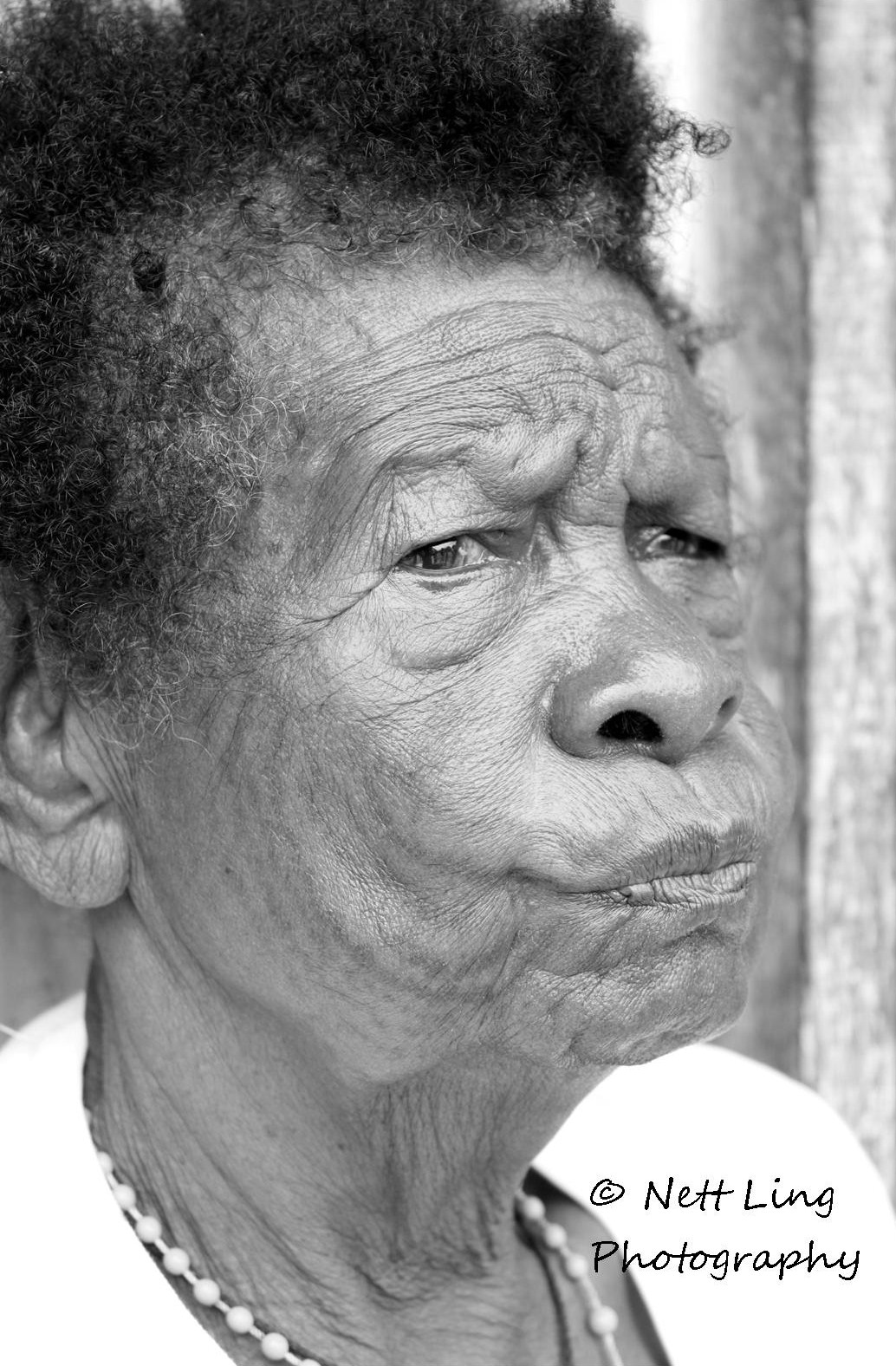
Sophia Portrait

Sophia

Sophia Isu 3

Sophia 5

Sophia Isu 1

Sophia 4

Chinese Marking
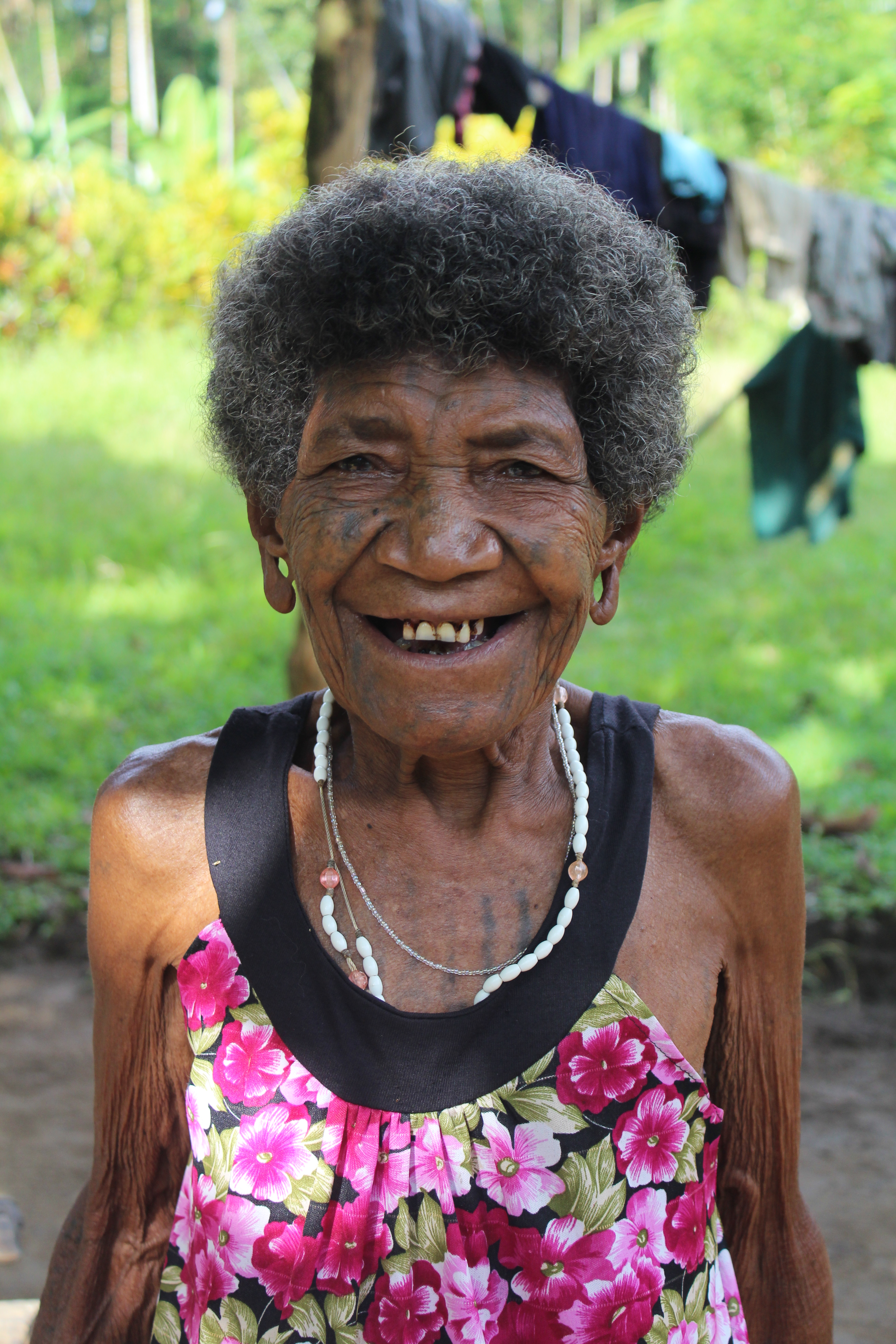
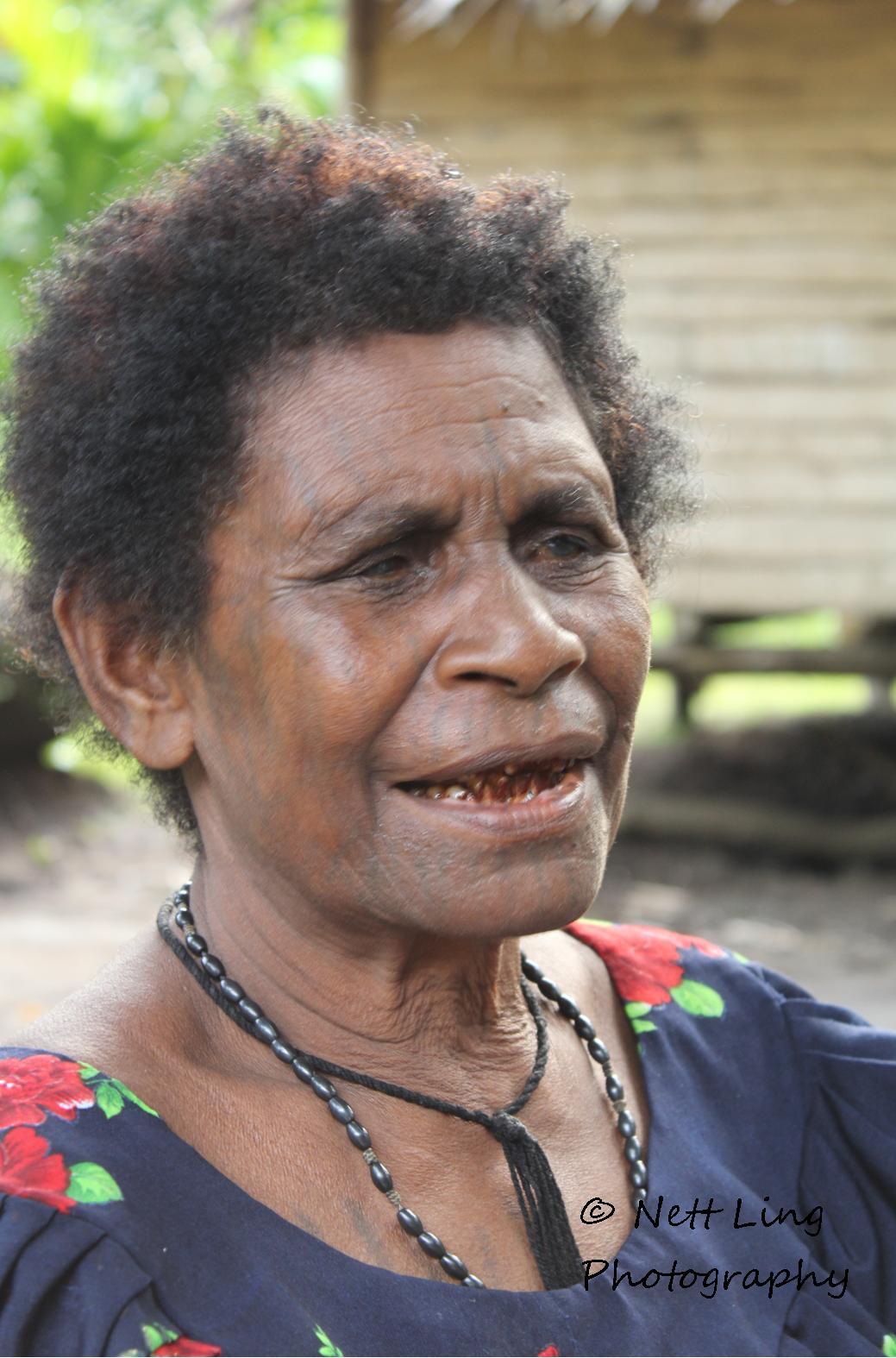
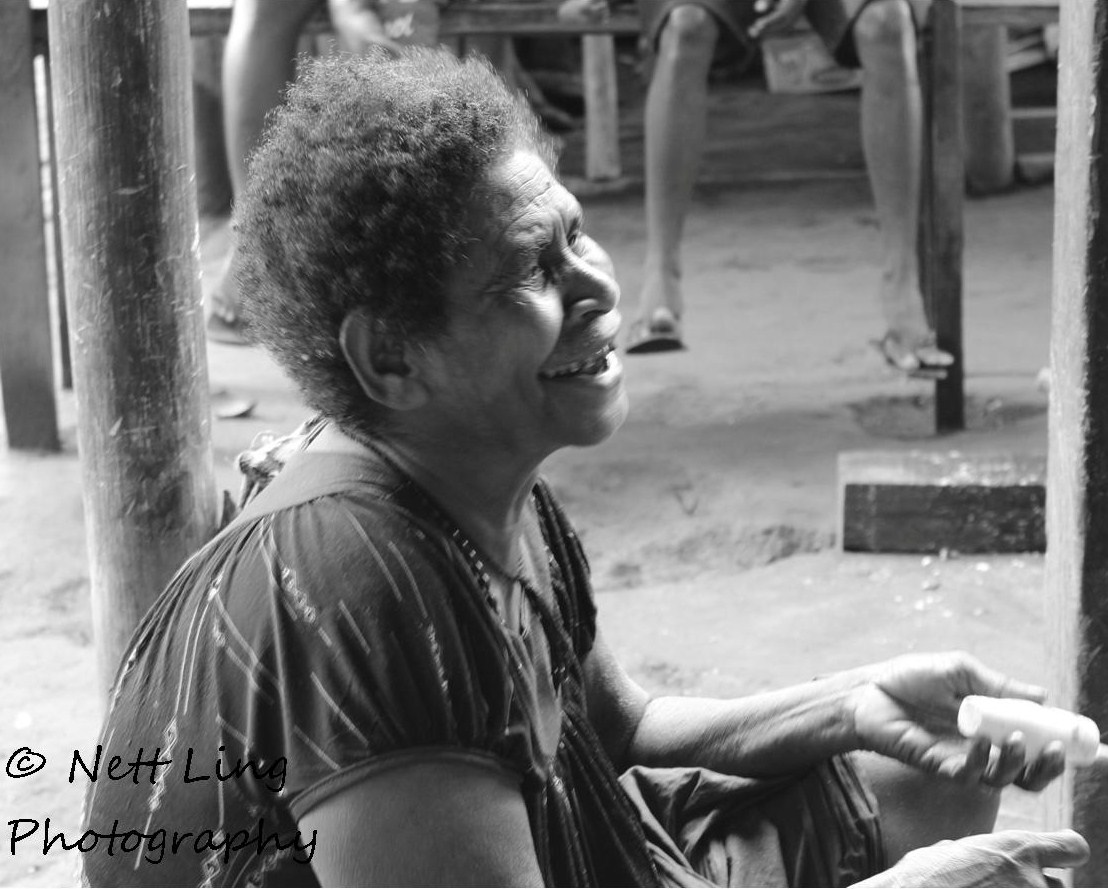
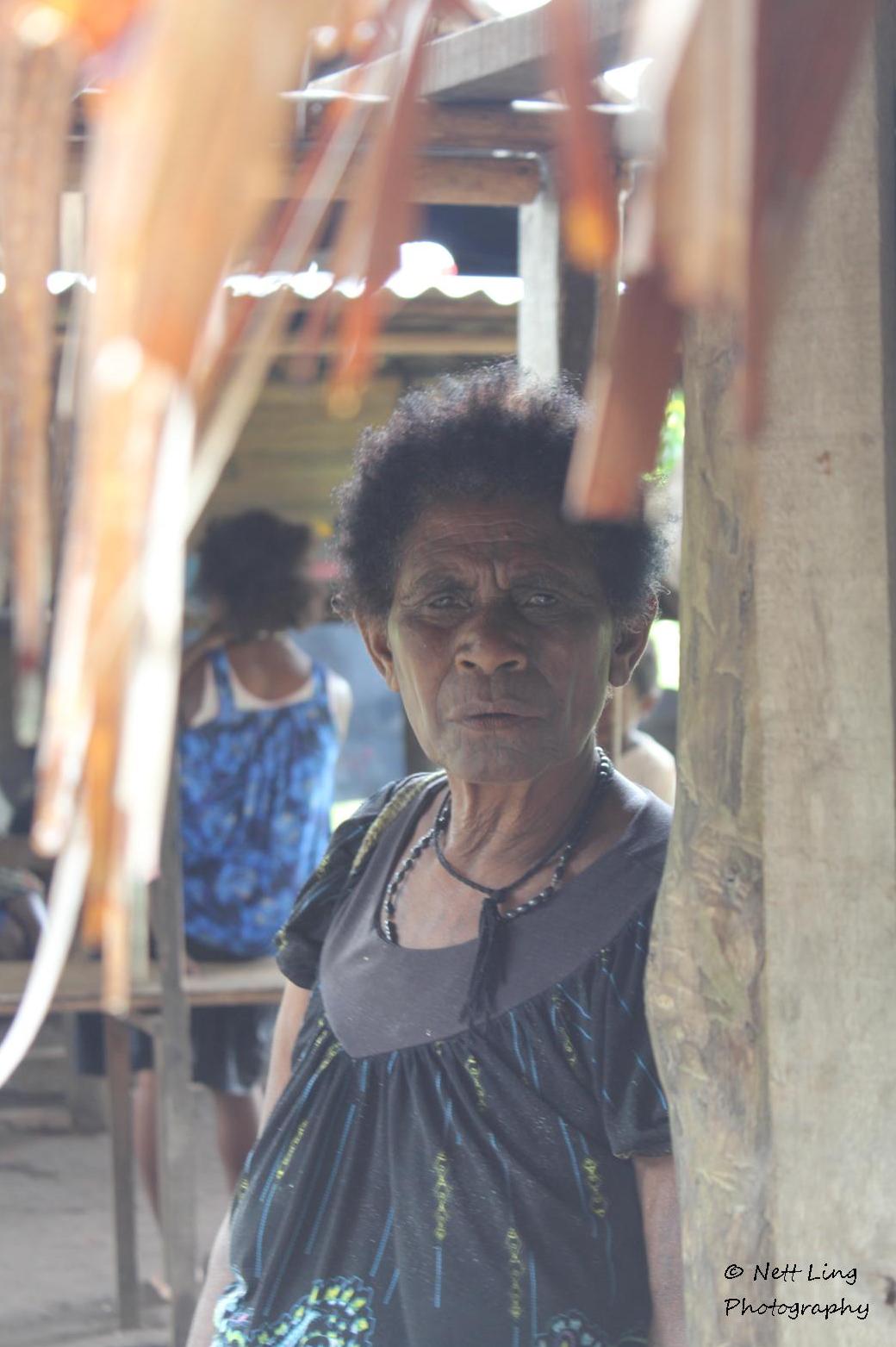
For 8 years I didn’t know her name, i always referred to her as “mama”

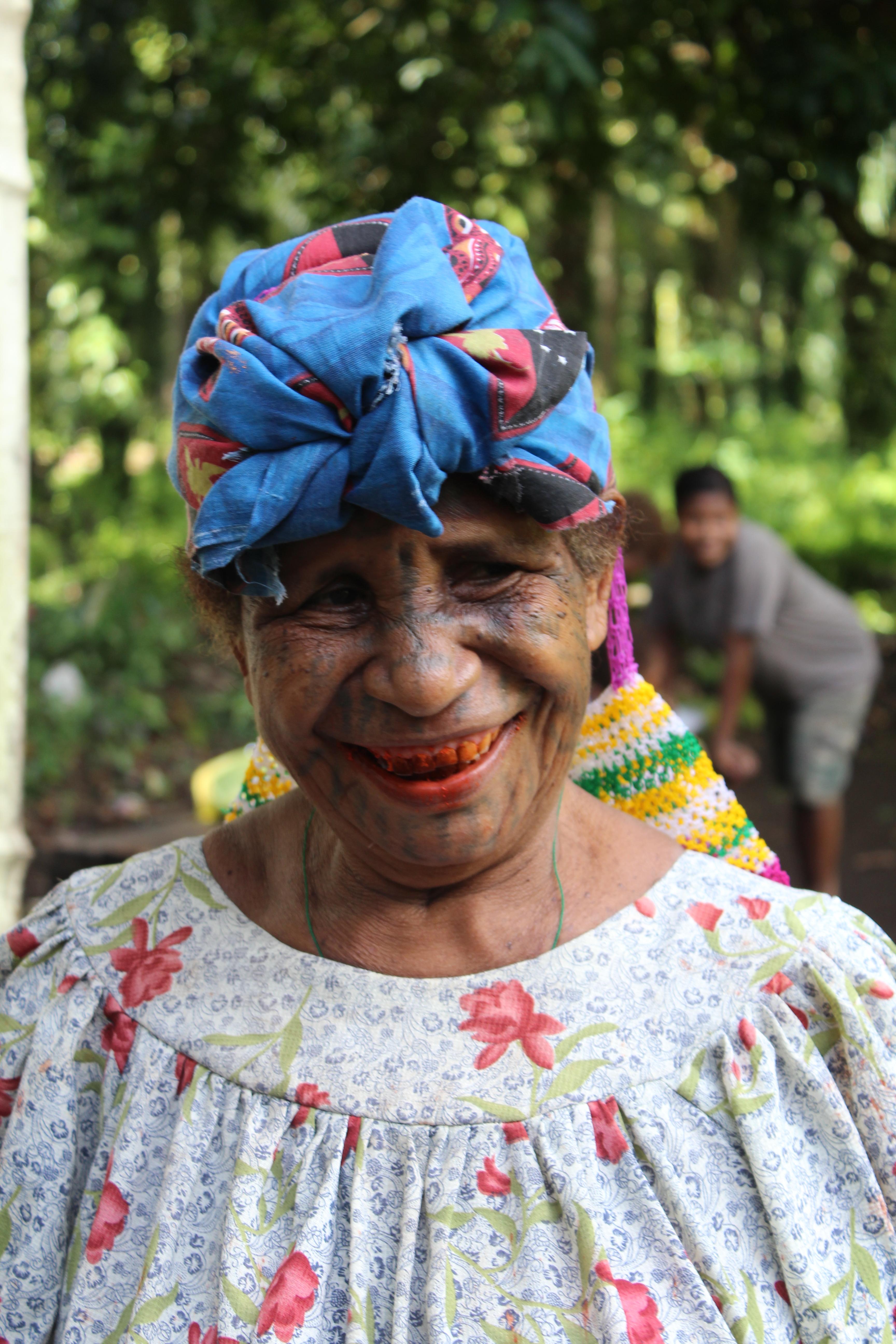
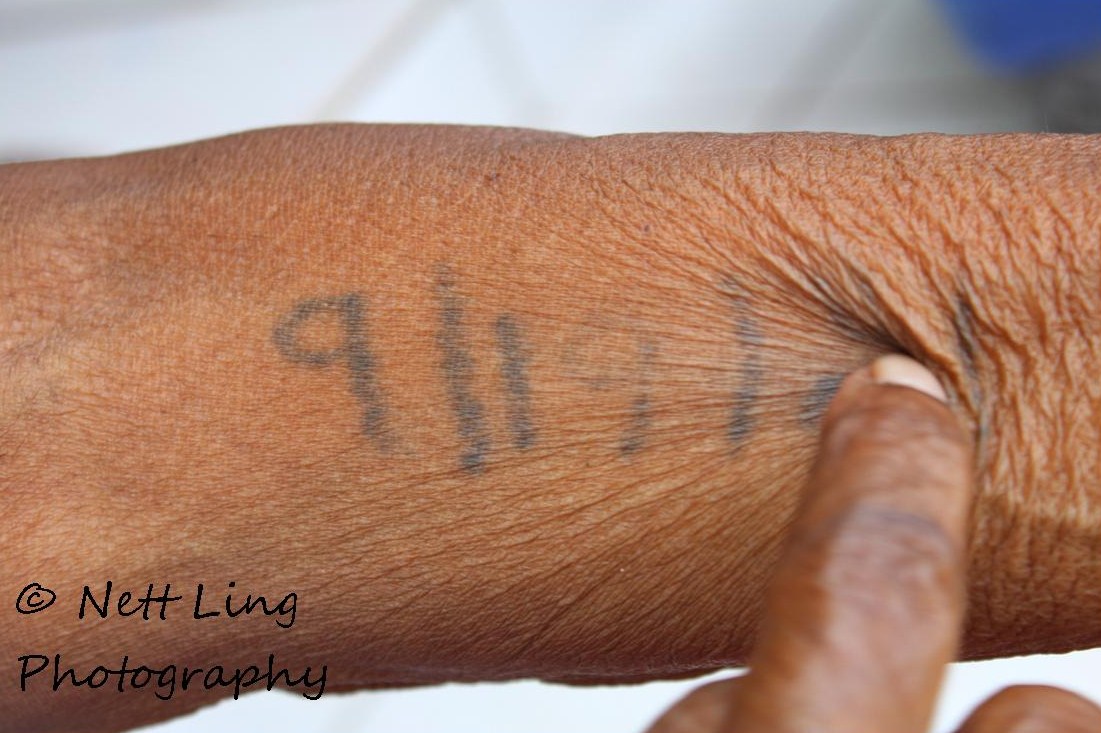
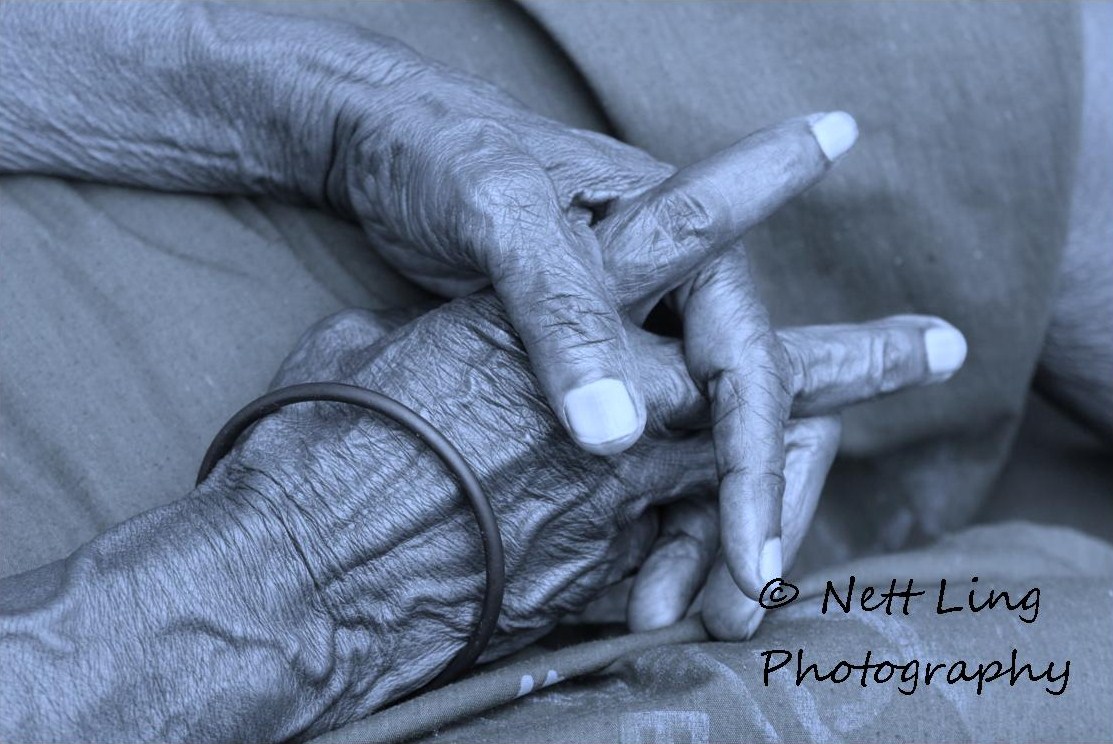
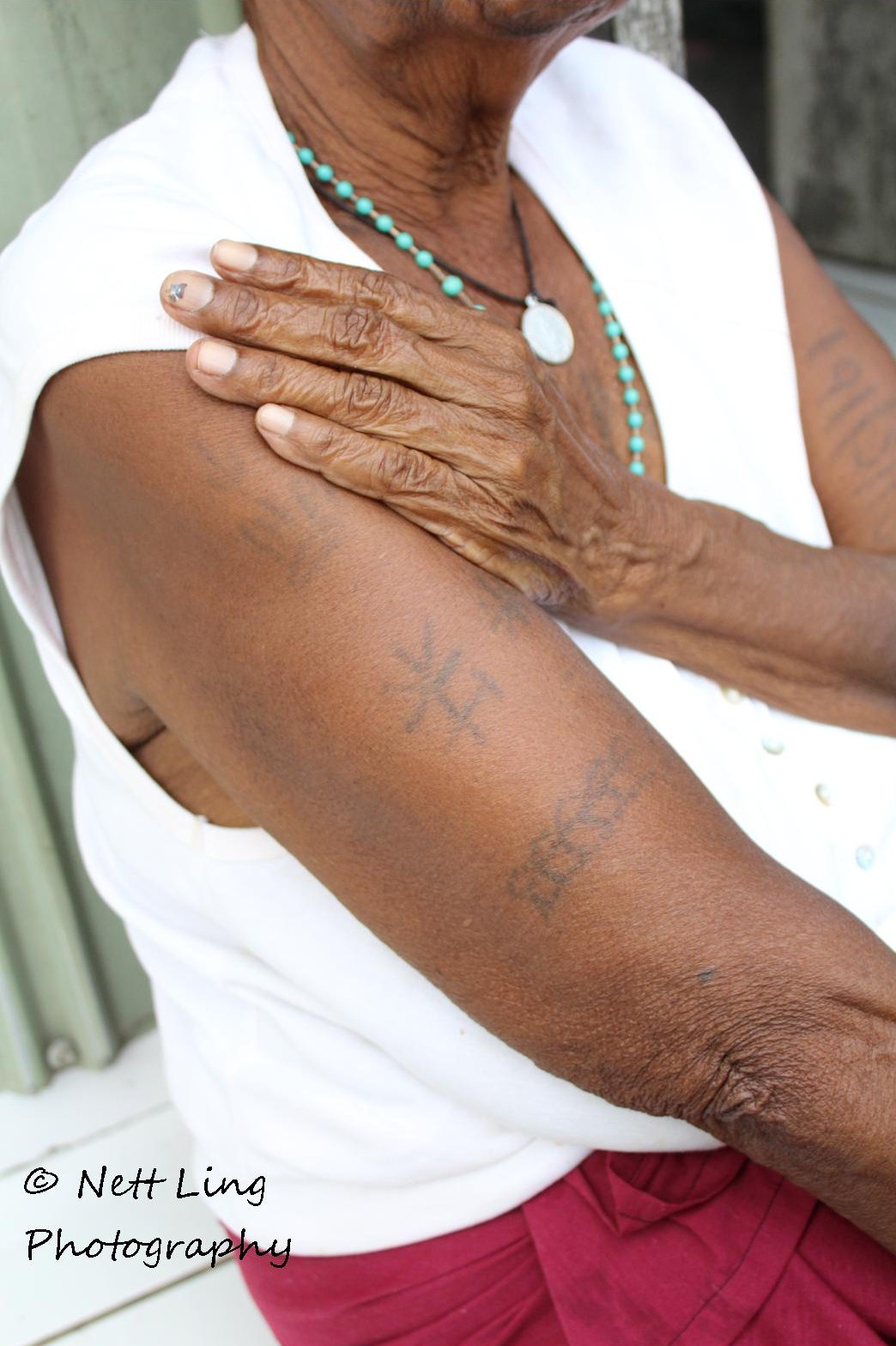
One day she saw me walk pass camera in hand, she called me over and asked me quietly to take a Piksa (Photograph) of her for her bubus (grandchildren). As I looked thru the eye piece I realized how old she was, all the wrinkles magnified by the camera lens. There were tattoos on her skin which to the naked eye looked like a child had scribbled all over. Many years ago these tattoos would have stood out against her brown skin, how they have faded away with time.
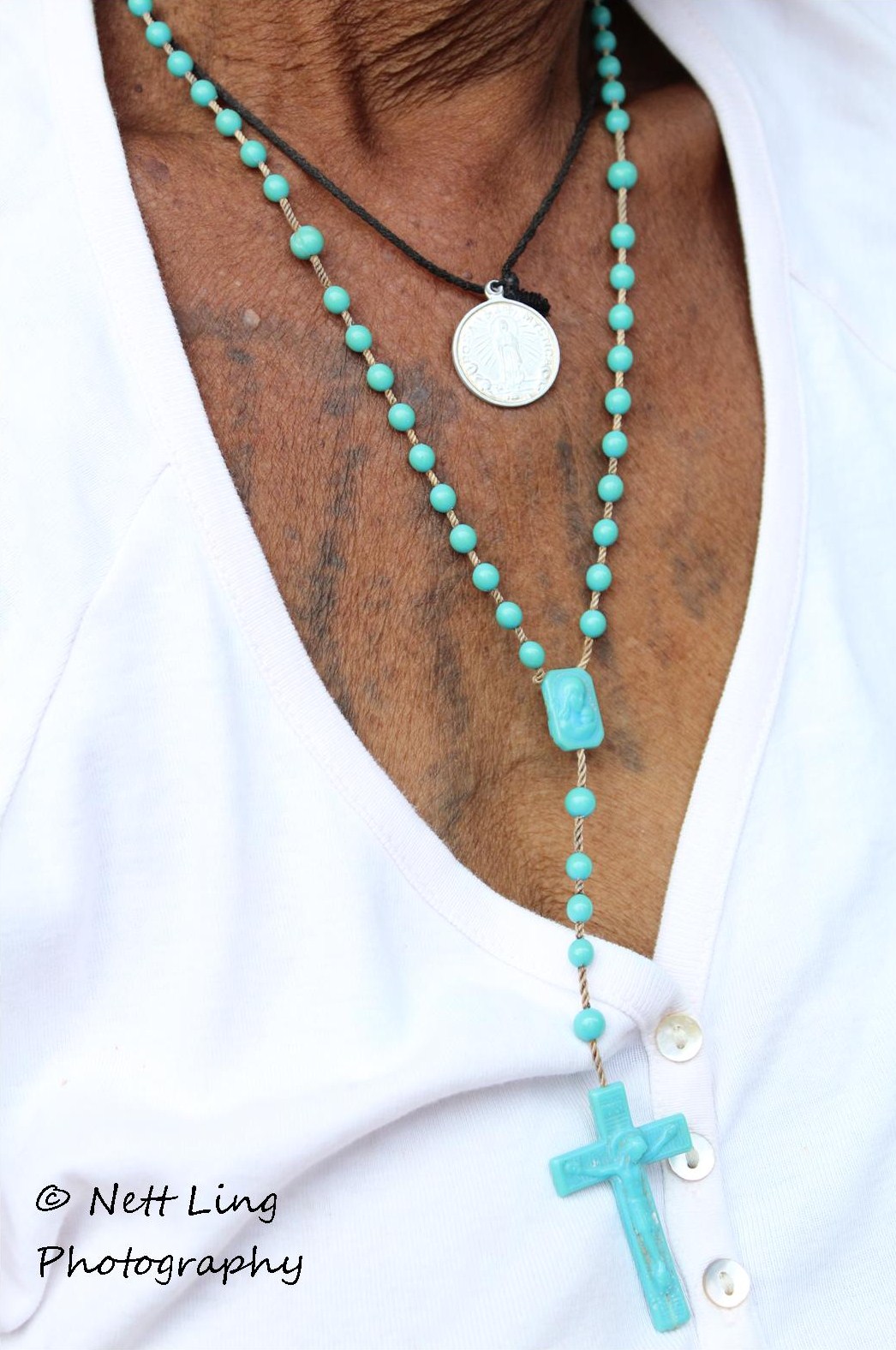
There were numbers tattooed on her arm which i later worked out stood for the order of letters in the English alphabet, 19/15/16/9/19/19/21 spelt Sophia Isu. An interesting Japanese/Chinese symbol caught my eye; my mind started racing, trying to figure out how on earth she could have been branded with such a symbol, was it from world war 2 which she spoke fondly of, struggling at times to remember her experience, maybe a love affair during that time? I thought out loud. She then burst into laughter her eyes wet with tears as she told me of how she used to work for a half caste china man named Morris Kimwa Ling, who used to own a trade store. Working in that trade store one day she came across the symbol on a tin fish can, different and unique to her eyes she decided to brand herself with it.

I wonder how many more stories Sophia has of the old days or “taim blo bipo” as she refered to it. Sadly tho most of those memories just like her tattoos, will fade away in time.