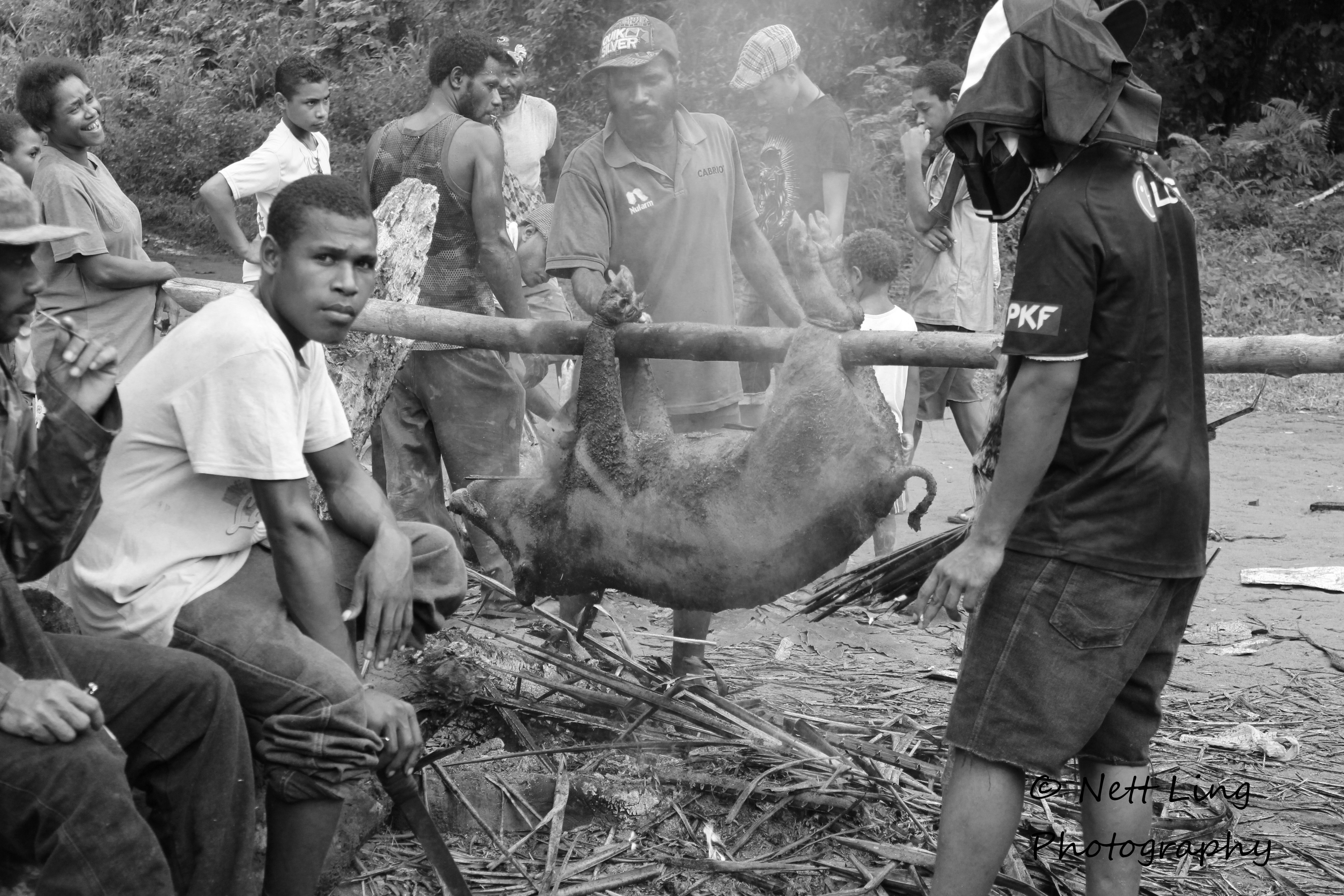
As soon as I hopped out of the car I was greeted with the stench of burning pig hair, a smell I m very much accustomed to and it was all the evidence I needed to know that this was a big Custom Wok (traditional ceremony) I was about to witness. This was my first Lakotoromola.
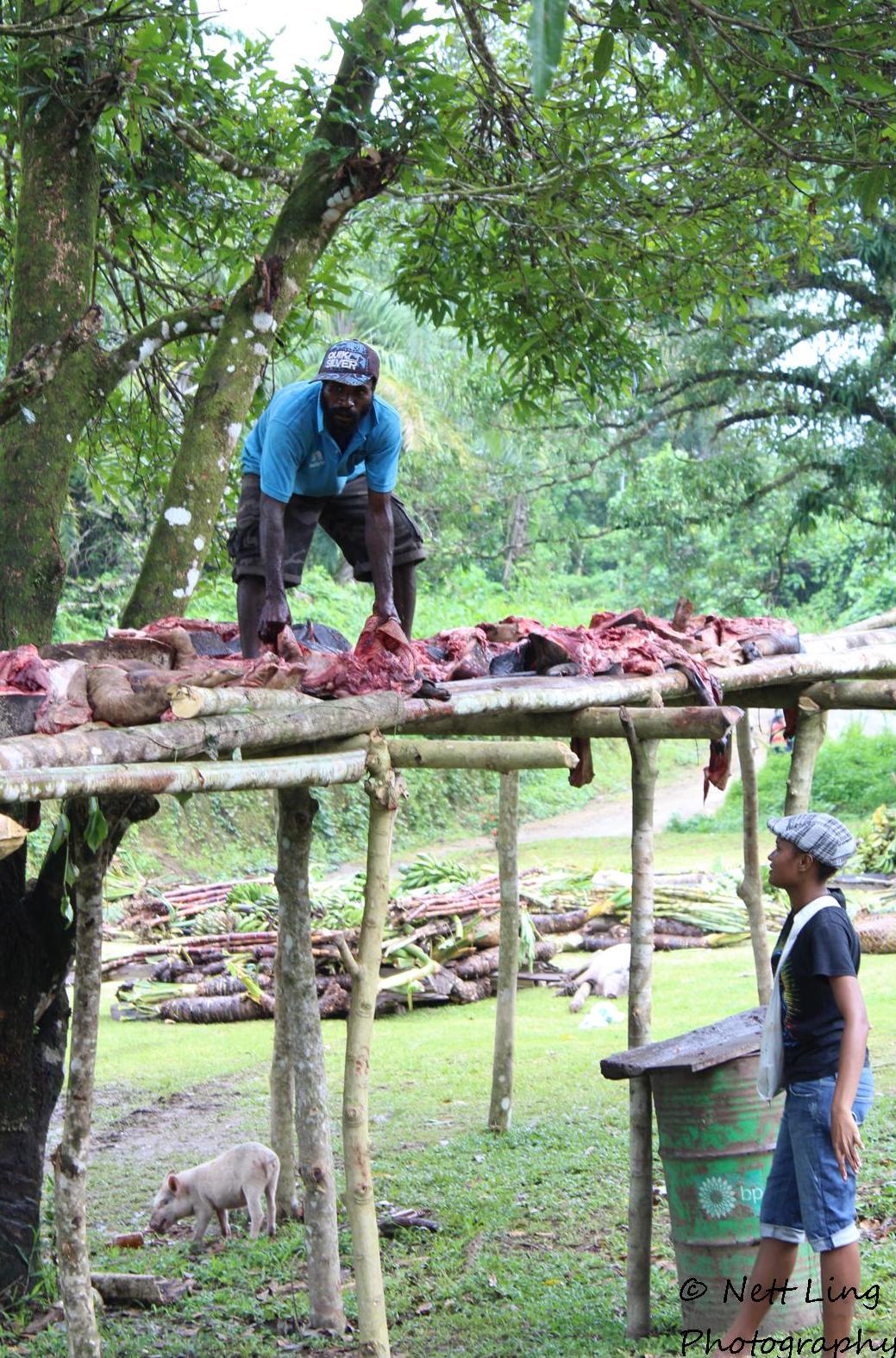
As I followed the crowd I noticed a huge long table which was built about 2-3 meters above the ground, puzzled I looked thru the eye piece of my camera and zoomed in on the table, there neatly scattered on top were many pieces of pork, I lost count after 50, there was a lot of pork up there!
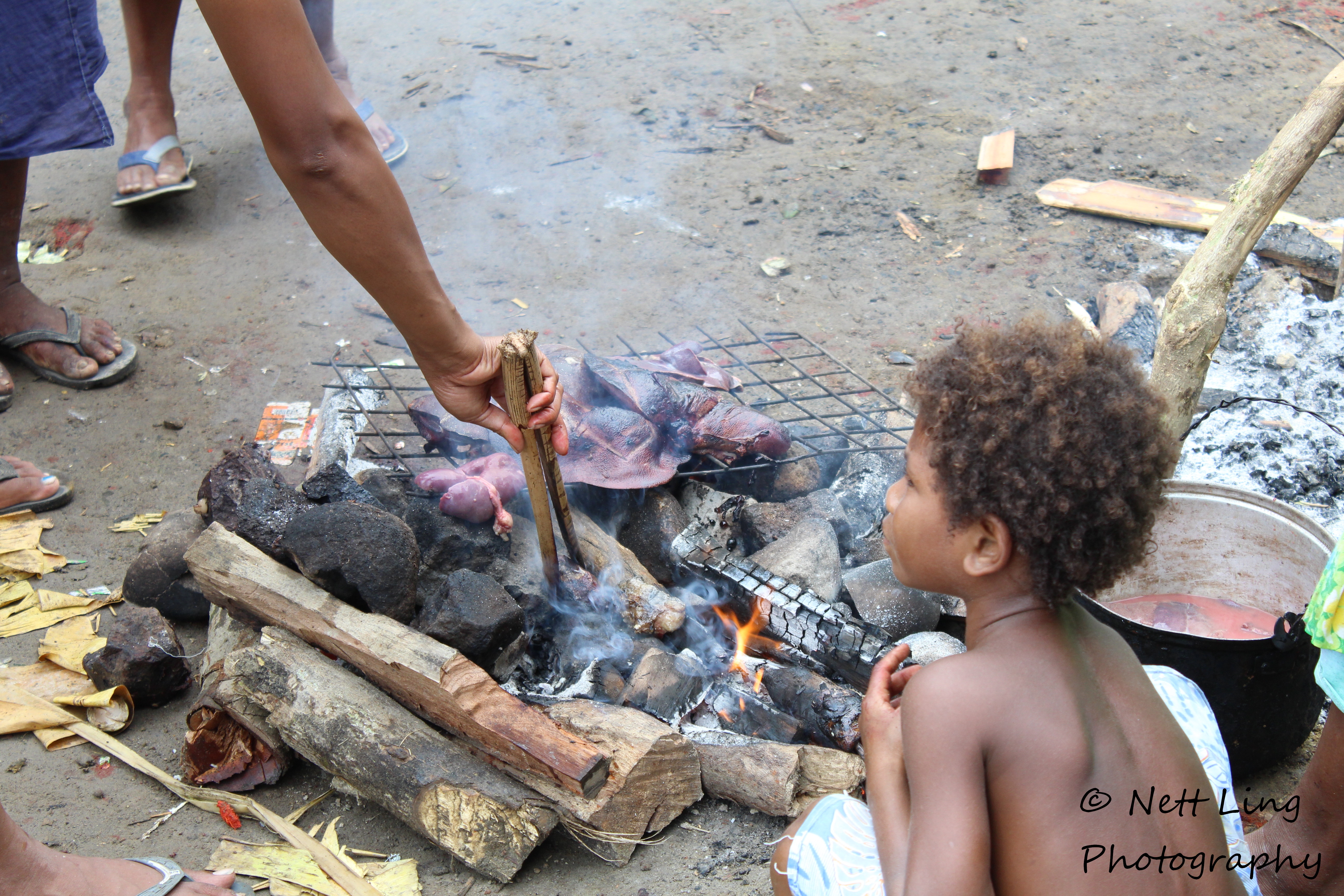
I gently pushed pass the crowd of people protecting my camera as I passed, I walked over to where a group of children gathered playfully shoving each other and squealing “wee la bolo” I recognised the word bolo meaning pig in the Nakanai language and I too became curious to their excitement and quietly approached them, trying to get a glimpse of what was going on. There I discovered the young men and women kneeling down cutting up the pigs. Every now and then the butchers would scold at the young children as one or two of them would try and pinch small pieces of pork for the nearby fire. Something I fondly remember doing once or twice as a child.
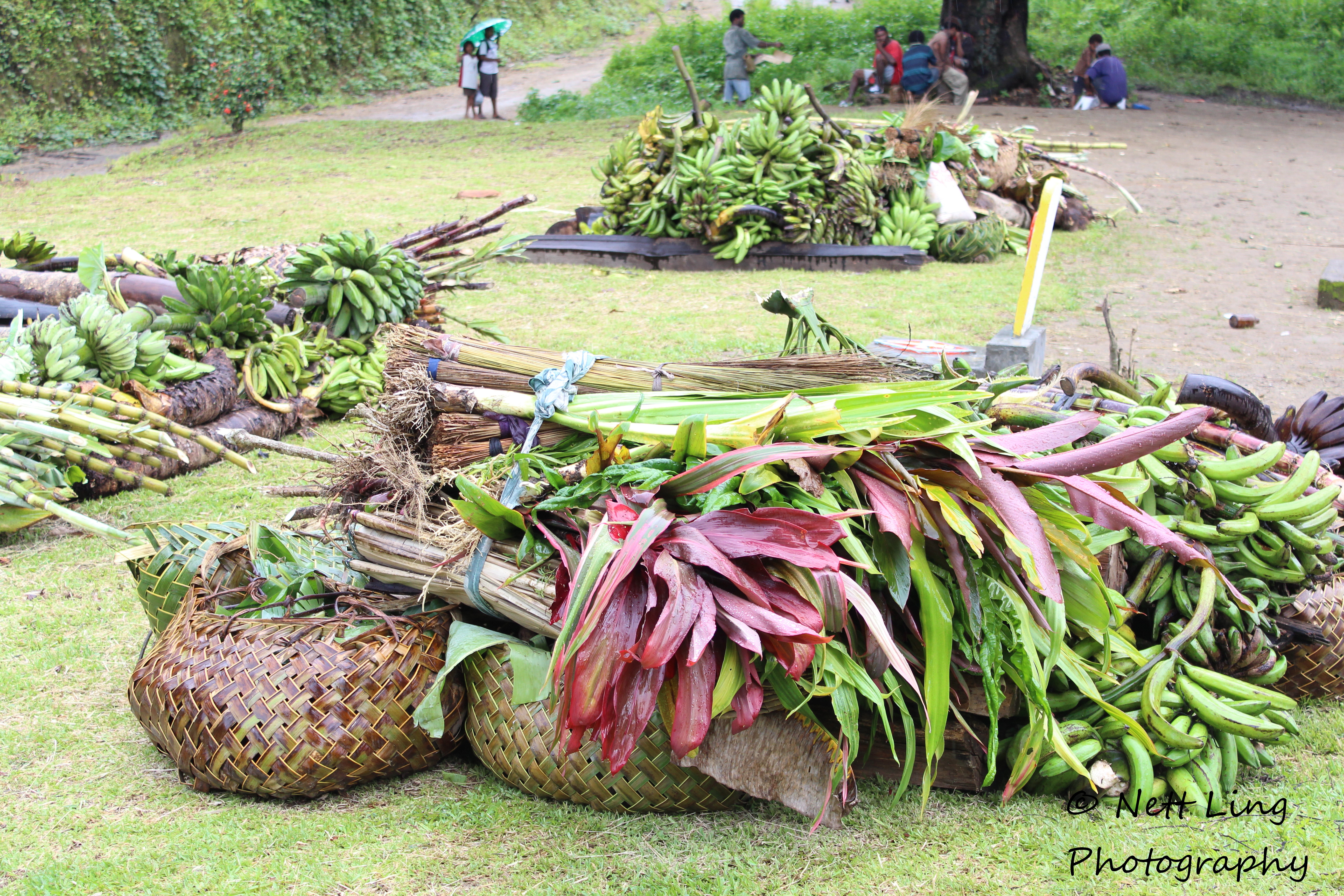
In the middle of the yard were 5 huge piles which consisted of mainly garden food such as paragum (wild taro ) vudu ( bananas) nokos ( oil palm broom) sugar cane , Kaukau (Sweet potatoes) and much more produce which were concealed in baskets woven out of coconut fronds. These piles were called la Lolos. La Lolos were sort of offerings which the families of those being initiated were putting up and were to be claimed either by another family who has a first born who is yet to be initiated or given to a family as pay back of a pile they have claimed in the past as what they call “bekim dinau” to return the gesture.
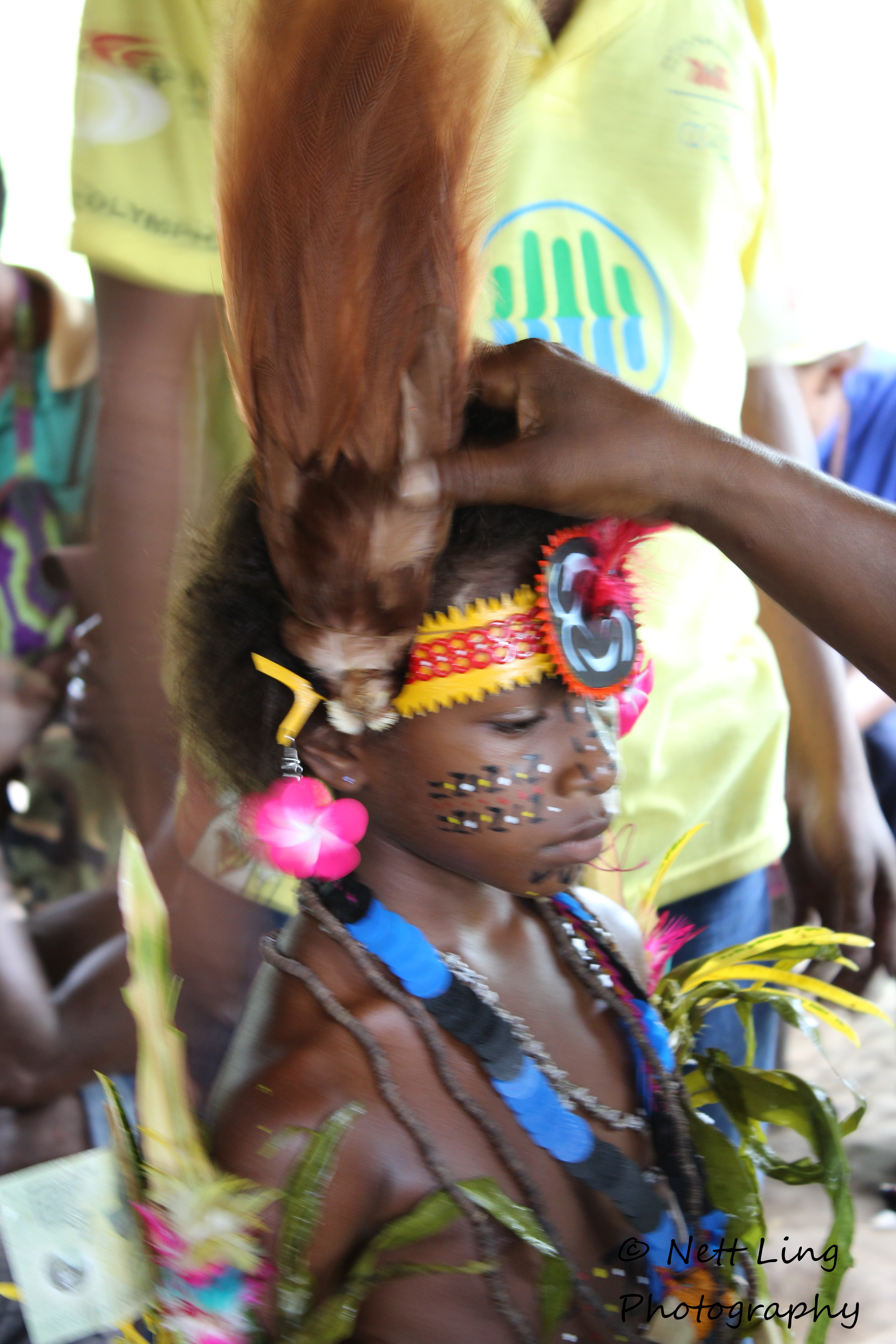
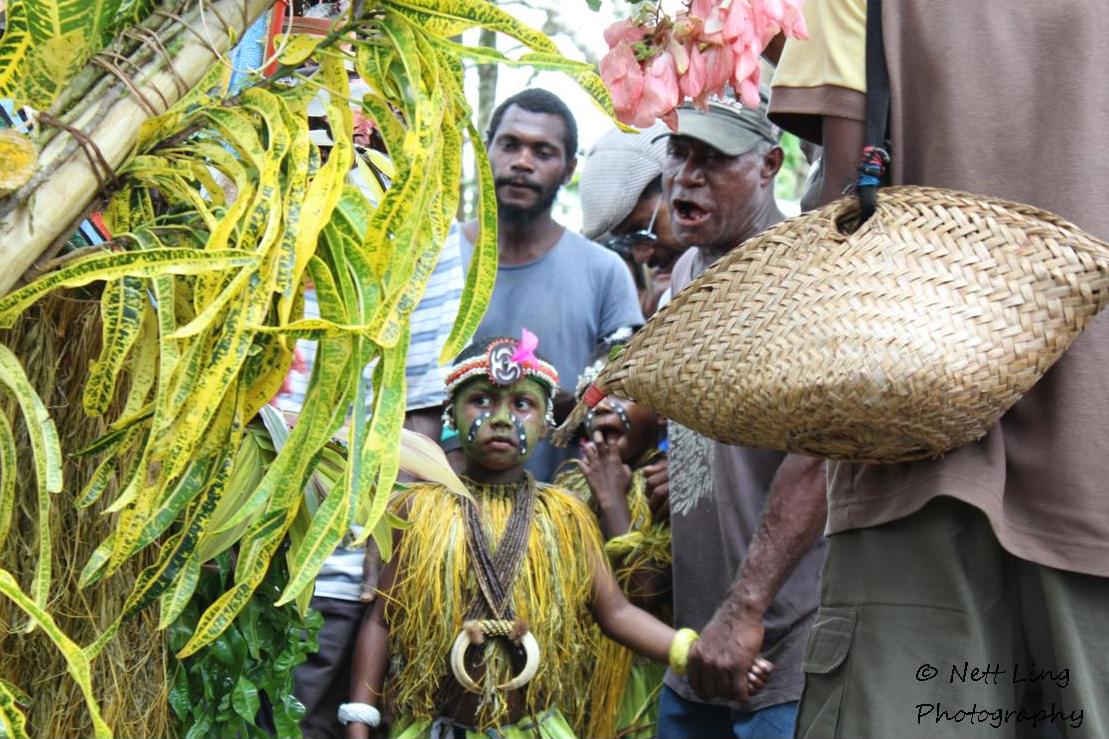
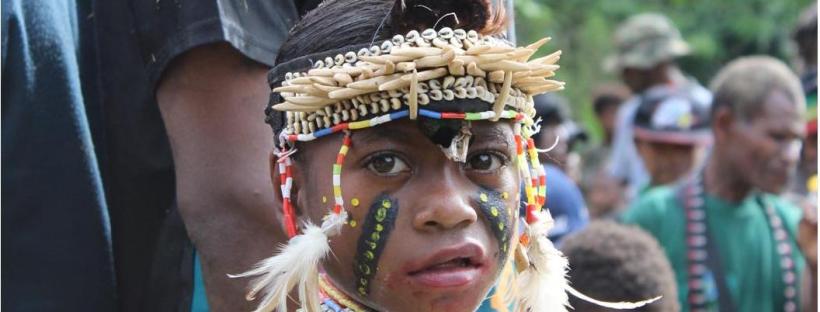
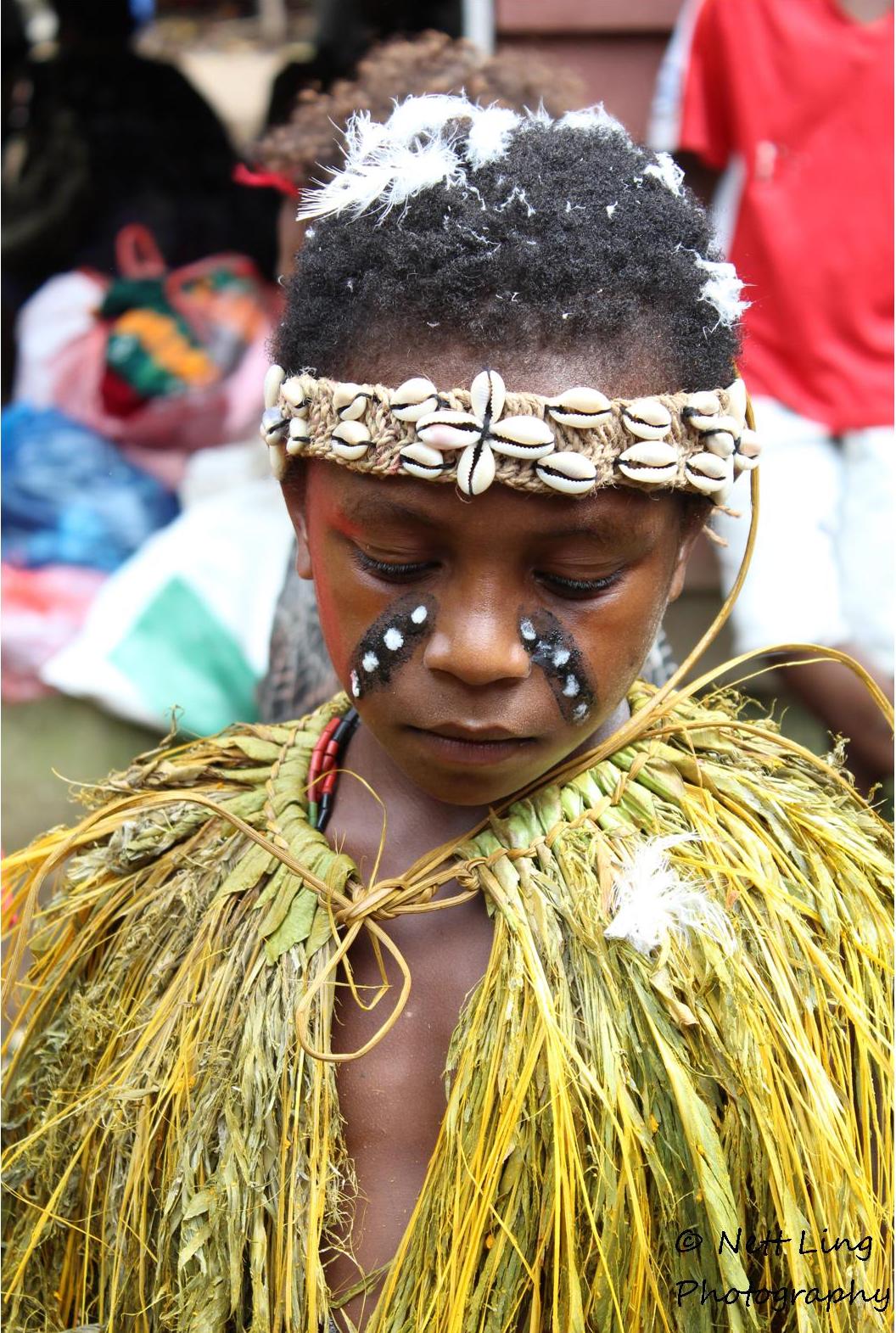
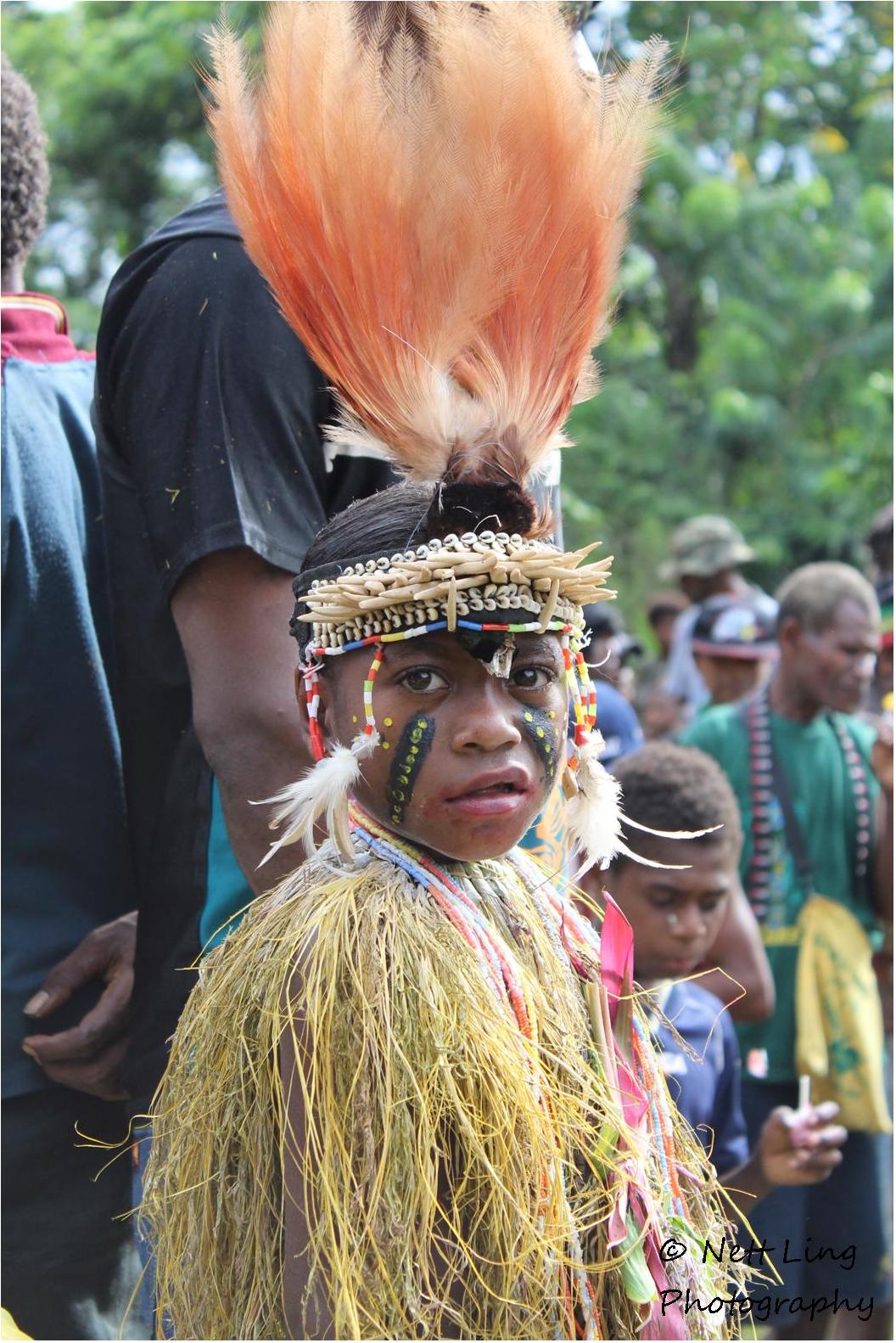
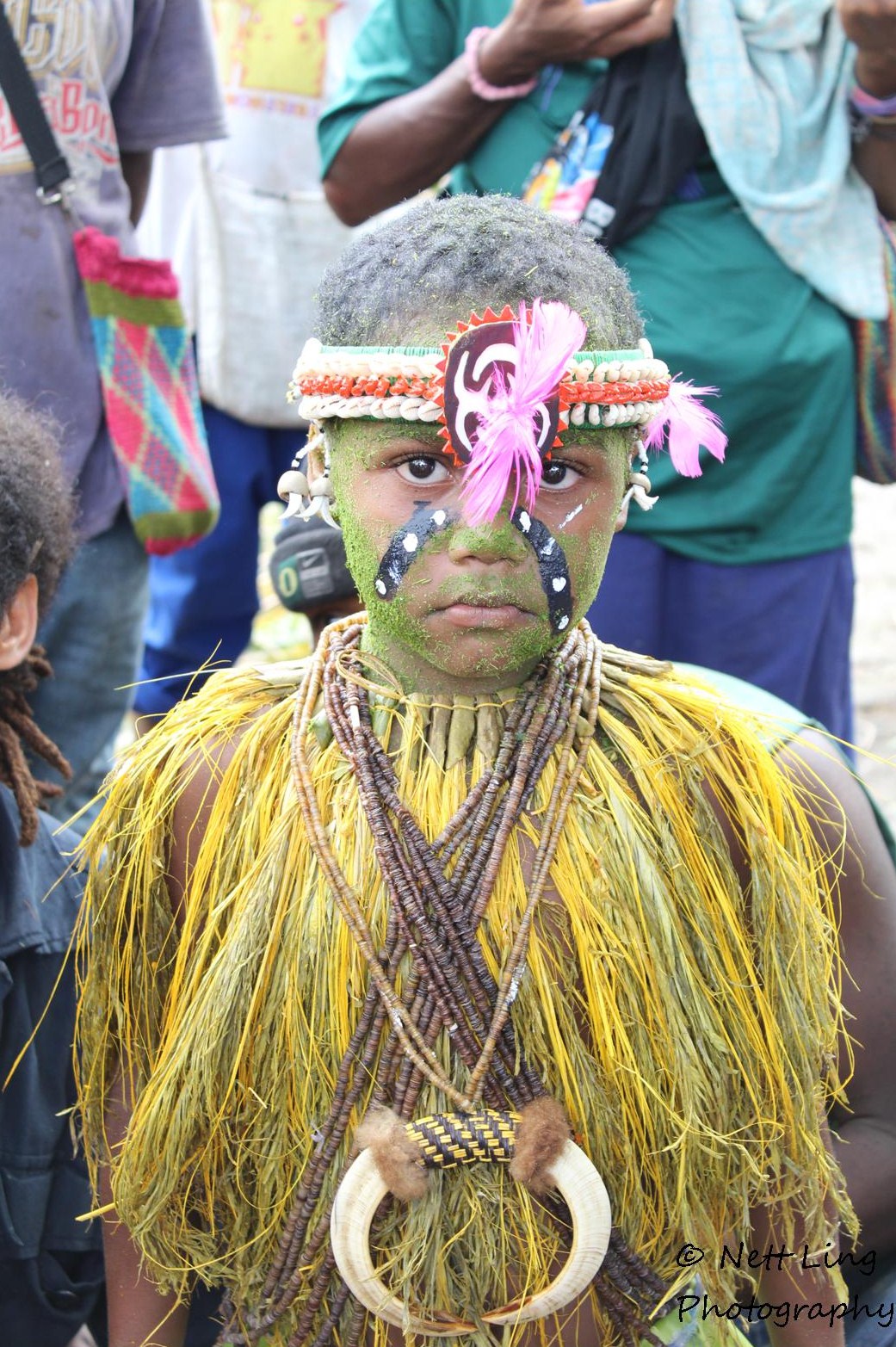
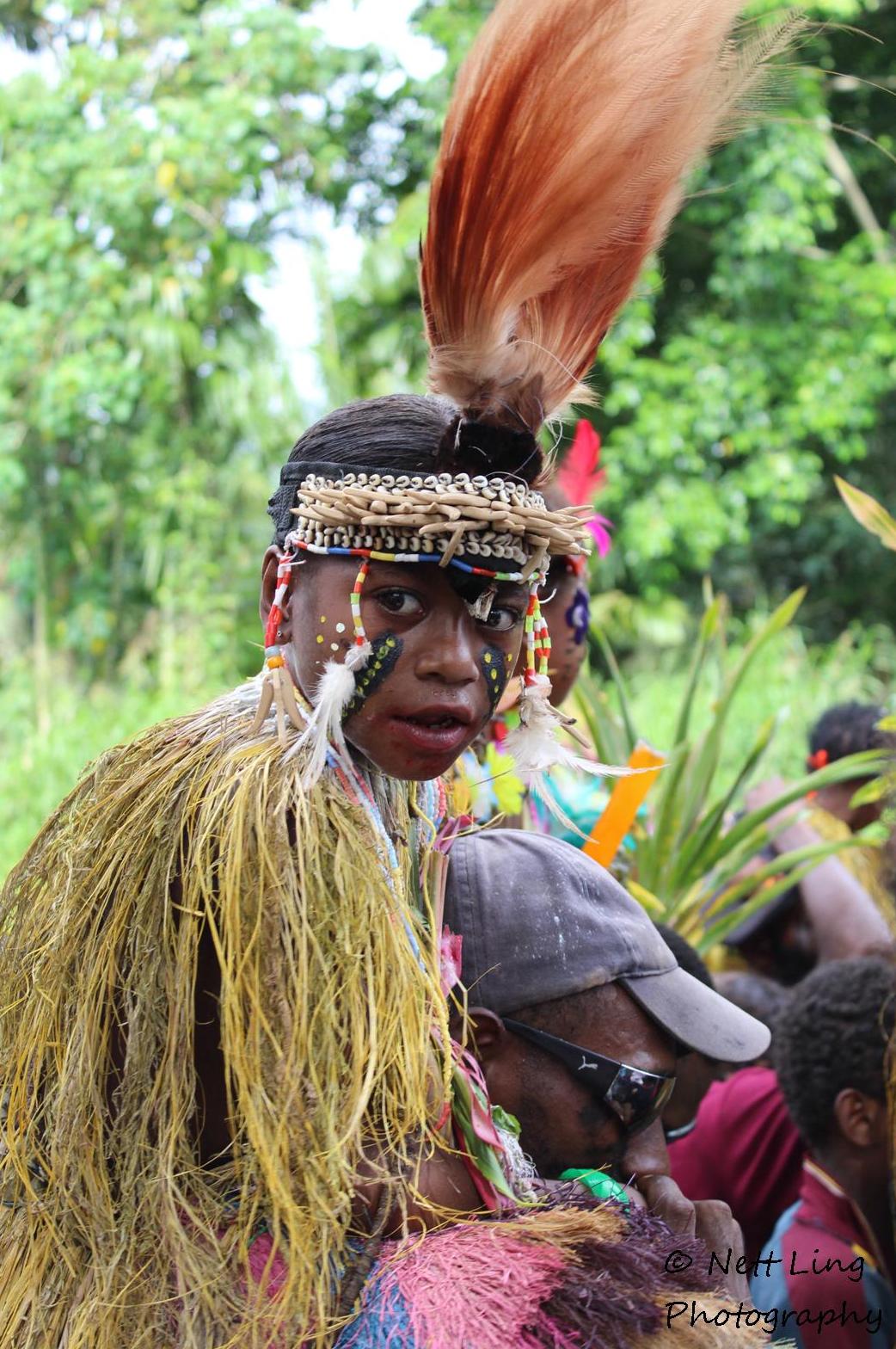
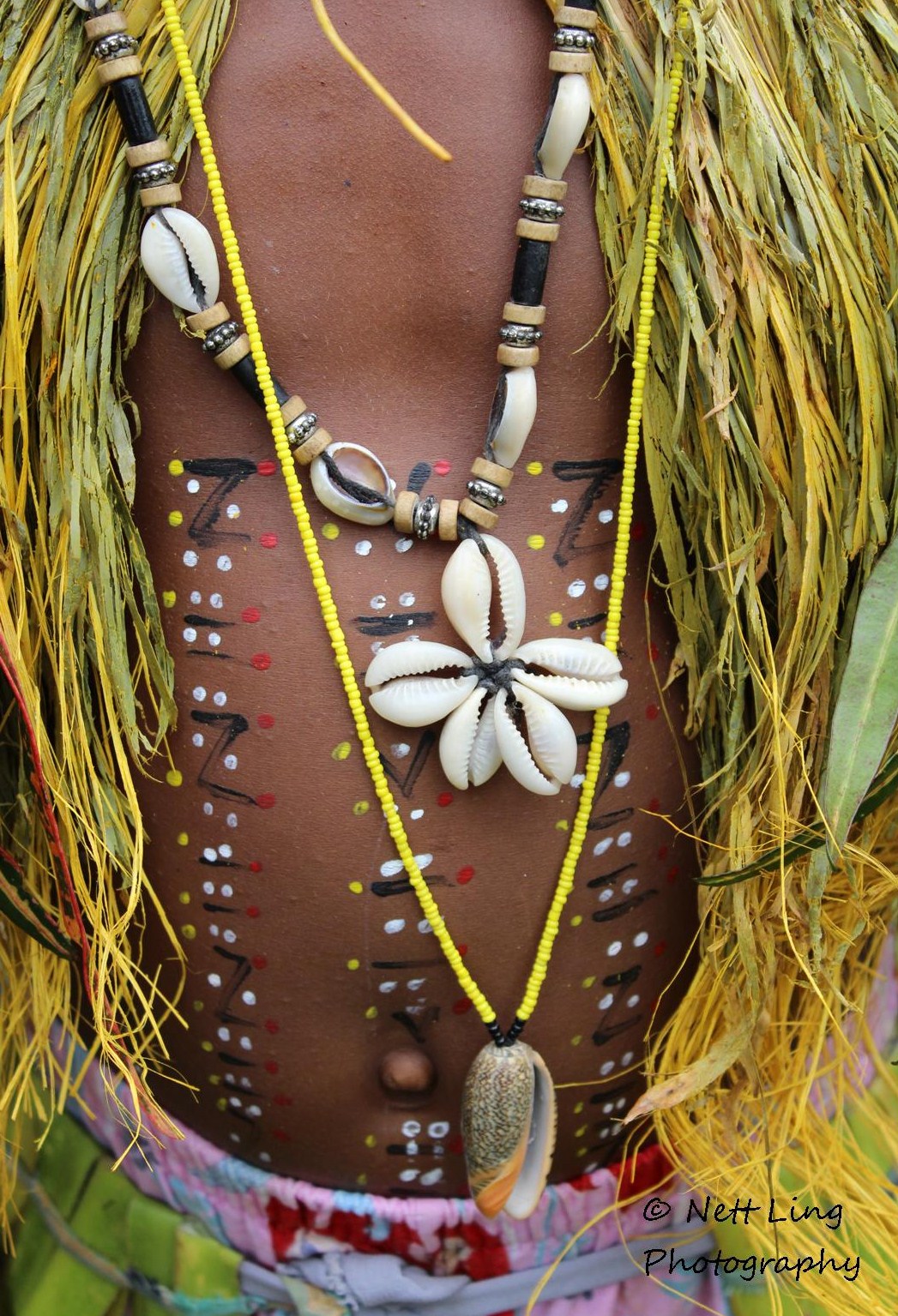
I walked around scanning the crowd looking for the familiar sign of people grouping, there I knew something interesting was taking place. I watched in admiration as mothers dressed their children for the ceremony, day dreaming of when I too one day will be in their place, proudly presenting my daughter or son to the clan to claim their birth rights. Tears swelled up as I watched a grandmother herself teary eyed, place a bird of paradise headdress on her Bubus( grandchild’s) head.
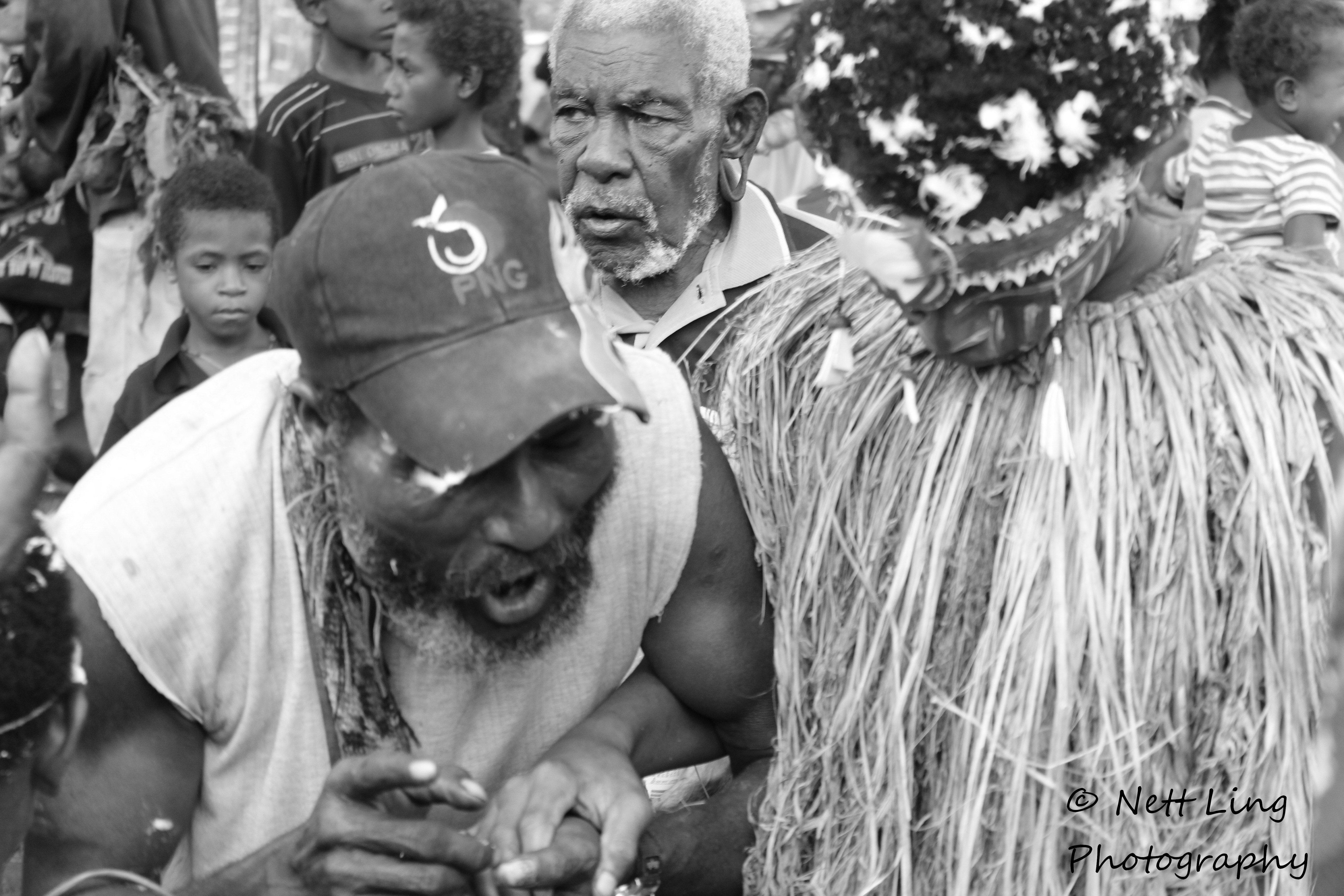
My attention was soon drawn to the beat of the drums and singing of the lapuns (Elderly). There I found them all circling around 3 of the first born to be initiated. They were singing songs I didn’t understand but I knew that it had strong meaning, as I noticed some of the young men who don’t normally show emotion, because it is seen as a sign of weakness, bow their heads in respect. The singing got louder and louder as everyone joined in and walked with the first born towards the “tumbuan”. One of the first born named Bobby was not only being initiated into the Lakotoromola but also the Tumbuan. Just about every clan in Papua New Guinea has a tumbuan which is a part of the secret male society. Bobby is now seen as a member of that, he can take part in other tradition ceremony’s involving the tumbuan which in the Nakanai Custom happens during the Galip (Edible Nut native to PNG) Season.
As we approached the tumbuan I could feel the importance of the whole ceremony. An old man grabbed hold of my arm and lead me to a bench made out of bamboo “kalap go antap” get up he told me “ lukim na kisim piksa blo dispel, u nonap lukim wanpla bigpla custom olsem ken” witness and take photos of this because you will not see another custom as big as this again. I didn’t hesitate all thoughts about the stability of the bamboo bench which looked like it had seen much better days was erased from my mind, everyone’s so drawn in by the singing, I doubt if I fell they would notice anyway i thought to myself.
Bobby was lead up to the tumbuan and placed inside. The men lifted it of the ground as the crowd cheered and sang even louder. The women hurled clothes, lollies and coins in to the air. I didn’t dare lift my camera for a shot, vividly imagining the coins as pieces of shrapnel flying towards my lense as children scurried down near my feet looking for lollies. I followed behind the crowd as they sang, laughed and cheered. I was passed a 500ml plastic coke bottle, “diring” Drink, I didn’t hesitate taking 2 gulps before the sensation hit me….Woahh that was some strong “matuka” home brew.
The crowd finally made its way towards the La Lolos and the first born’s were placed on their rightful piles. There they stood in the afternoon sun awaiting an elder named Maki to confirm who would claim their Lalolos, while the women threw their endless supplies of shrapnel, lollies and clothes in to the interested crowd. At one stage a bra landed on an old man who all of a sudden must have got a burst of energy and flung it frantically back, as the crowd roared with laughter.
As I stood back and observed the firstborns I wondered if the older ones understood the true meaning of the Lakotoromola. Which back in the time of the Tumbunas (ancestors) it was only done when a girl came of age and when a boy was considered a man, there was probably a reason for that, maybe they knew that they were old enough to remember and pass on the custom to the next generation. As of that day those first born’s initiated can cut their hair and bilas (dress up) as they like, they are allowed to travel to distant places and take part in the garamut and traditional singsing groups , if they were to do so before the Lakotoromola a pig would have been killed and a feast put on for the village.
I wondered how much Traditions and customs have changed since the time of the tumbuna and at that moment I realised and feared even more how much it will change in the future. I hope that these young ones remember and continue this Custom, as one day they will have to pass it on to their children and grand children.
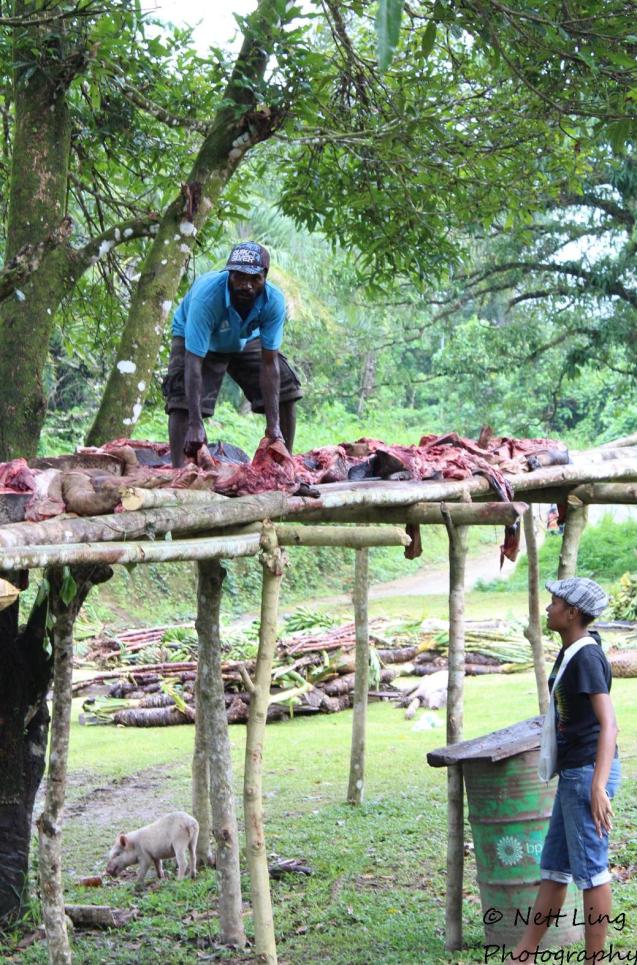
Table up high to keep animals and people away from the pig

Young men burning the hairs off the pigs

Children watching the pigs being butchered
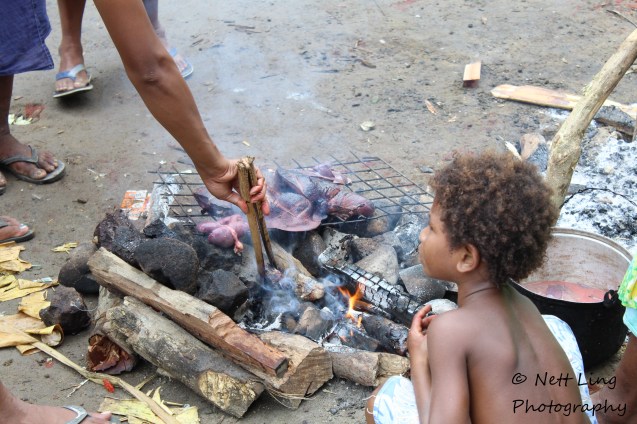
This little one cooking a piece of pork on the fire

The piles of lalolos

Last and final touches
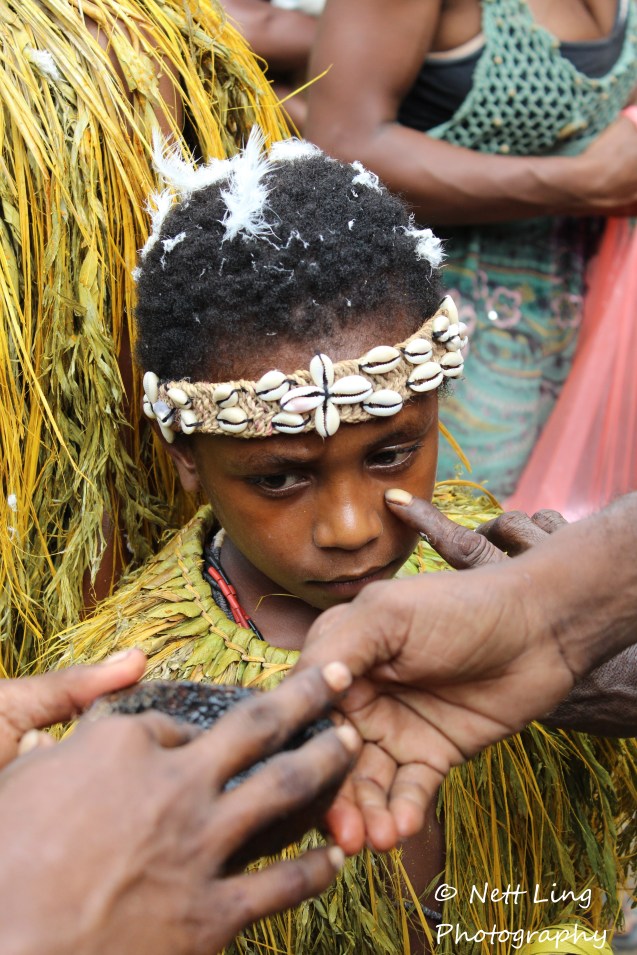
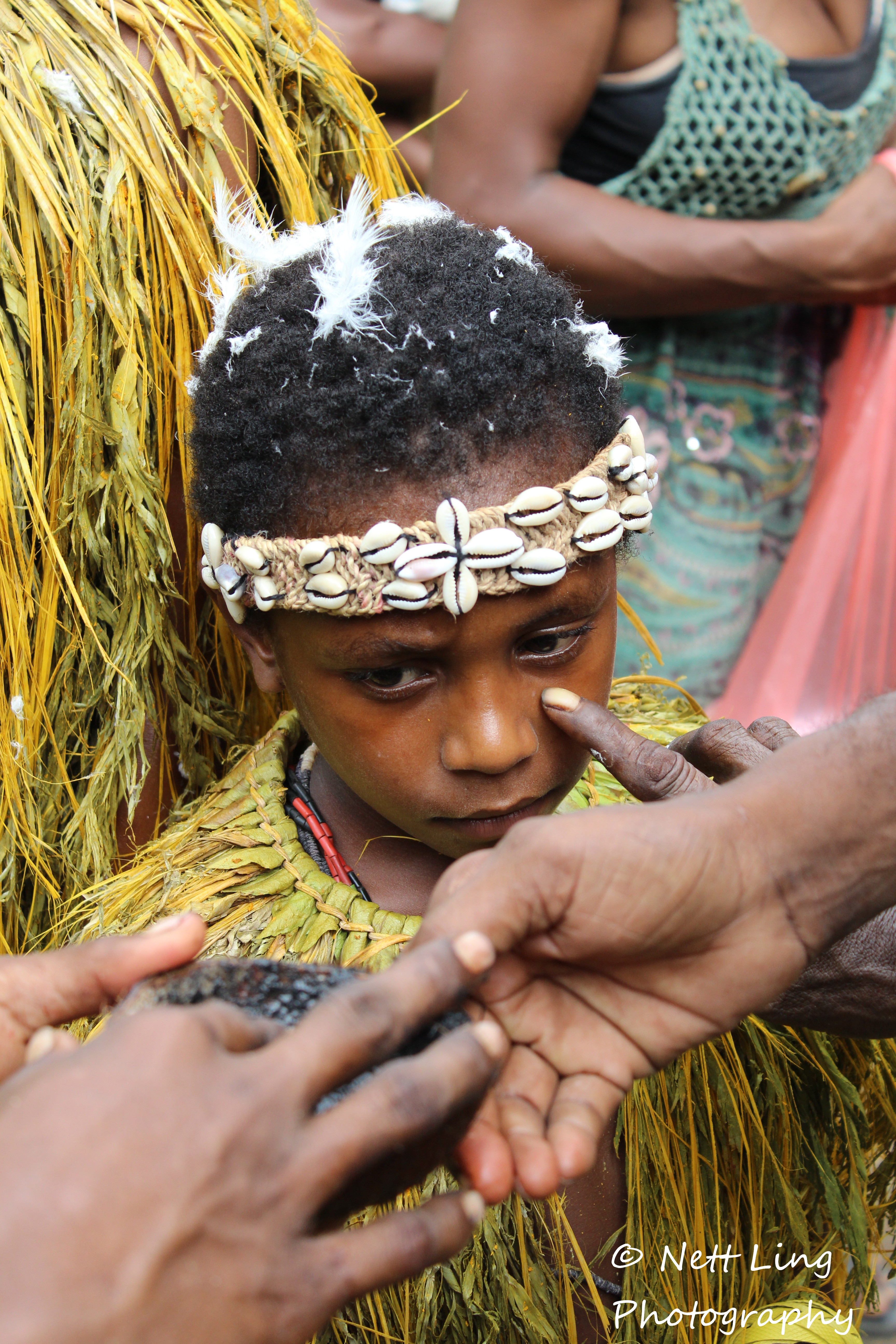
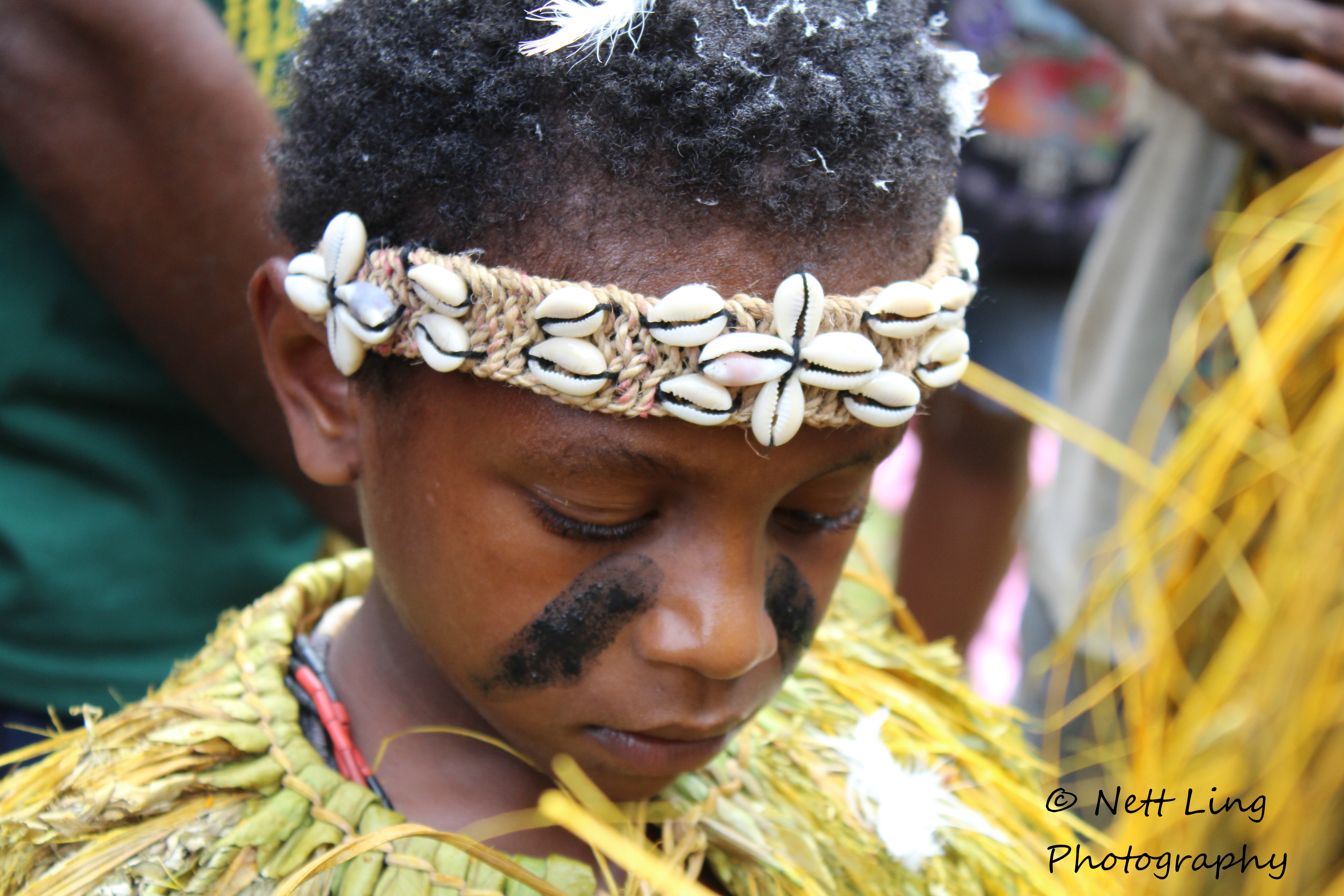
Painting boys face with black traditional paint made out of crushed charcoal
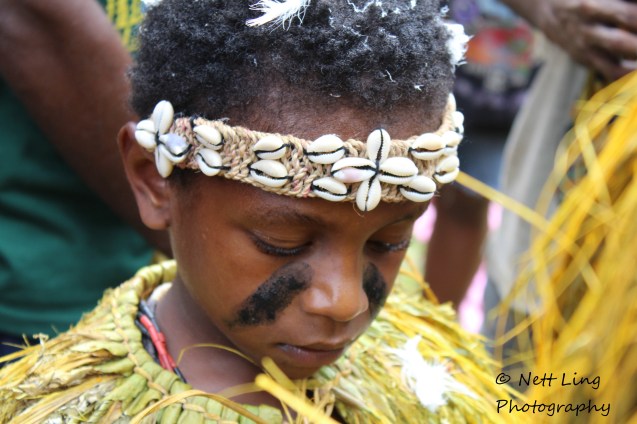
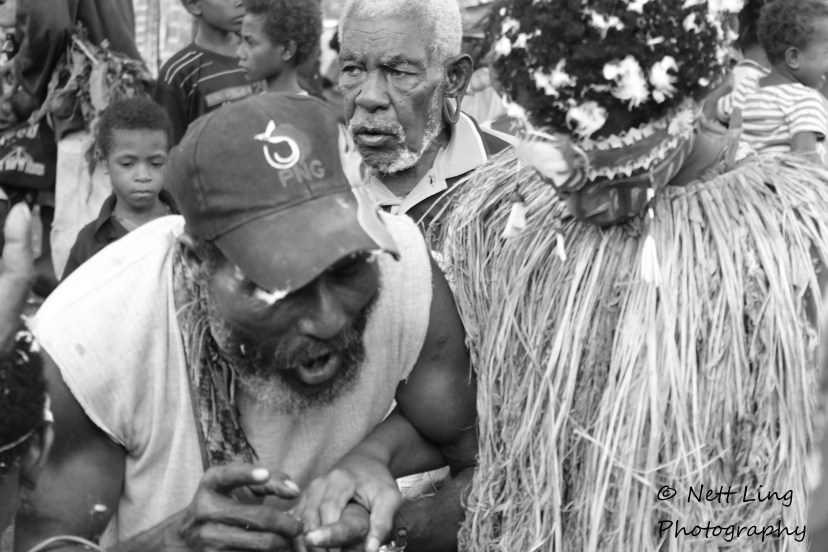
The lapuns singing with the firstborns
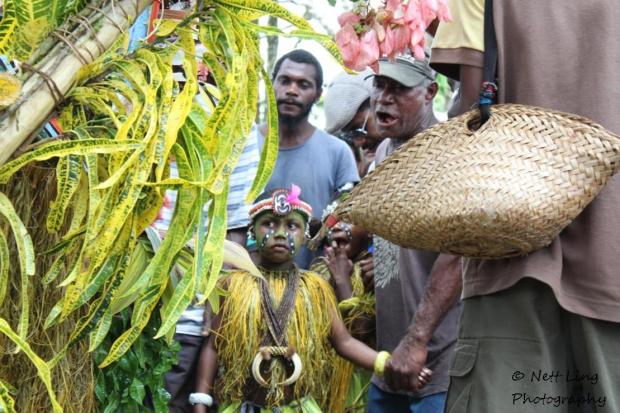
Bobby ready to be placed inside the Tumbuan


Claiming their Lalolos

throwing gifts in celebration


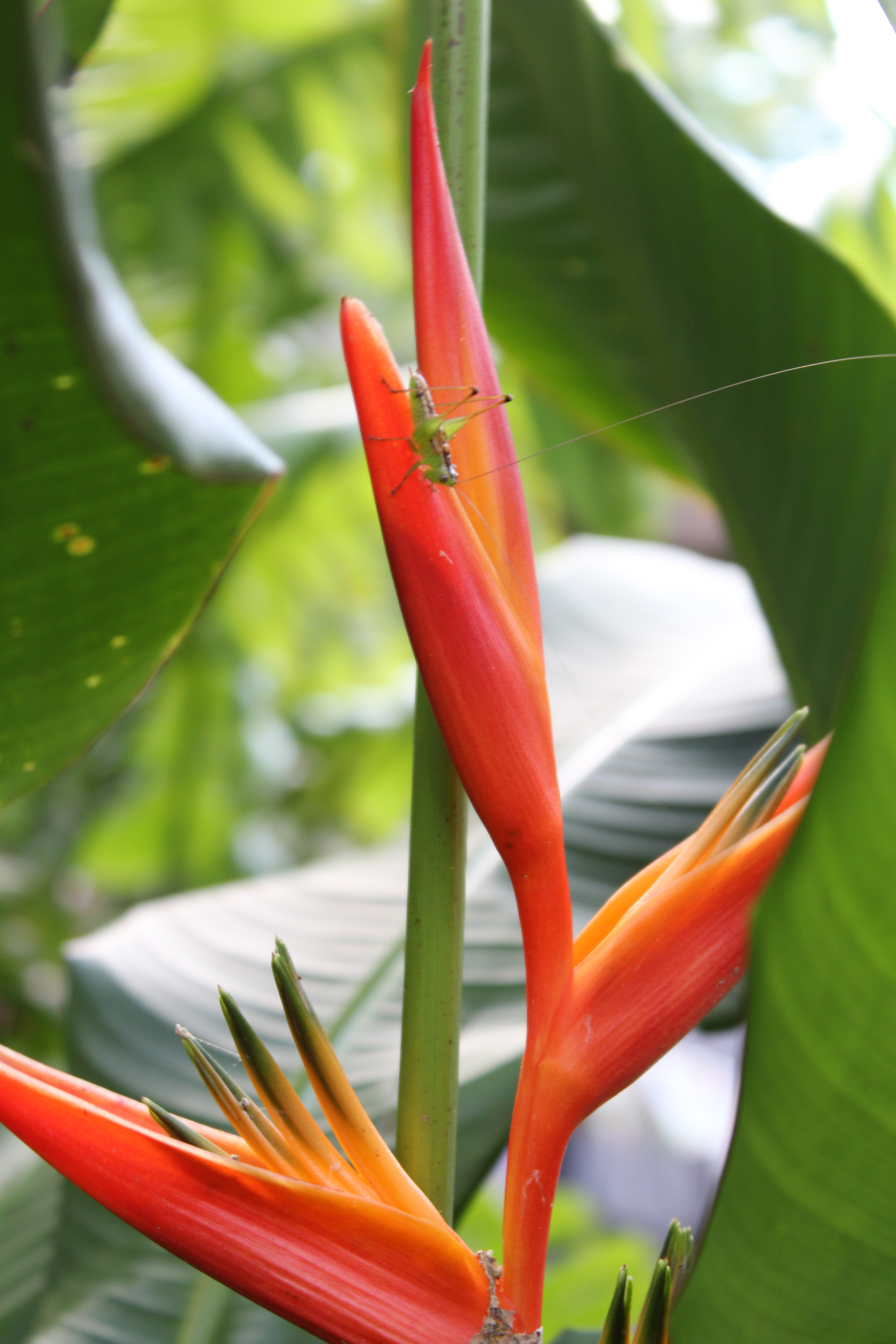


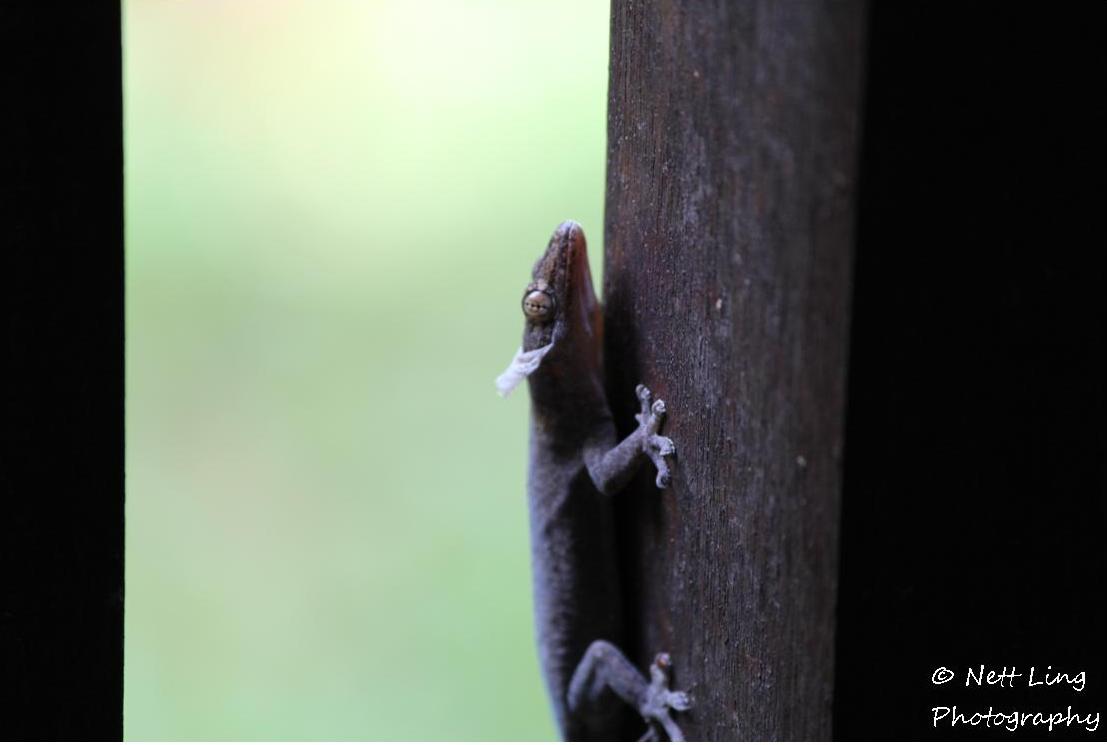


















 my new guinea